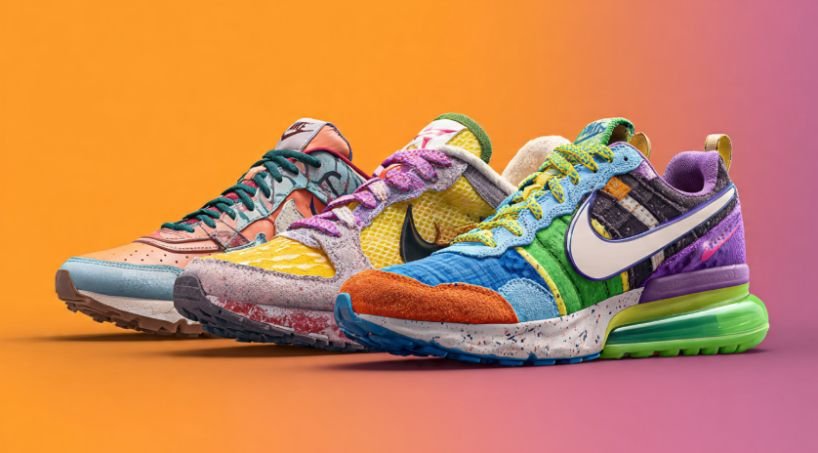

I always thought shoe shopping was only about what looked trendy or what matched my outfit. Over time, I realized the pair I chose could completely change how my proportions looked. The right shape can make legs appear longer, balance the hips and shoulders, and make an outfit feel far more polished.
That is why I now pay close attention to body proportions before I buy anything new. Today, I am sharing the simple rules I follow when I want a pair to look flattering, feel comfortable, and work naturally with my shape. If you have ever struggled with heels that feel too heavy, ankle boots that cut you off, or flats that make an outfit fall flat, this will help.
Why Shoe Shape Matters More Than Most People Think
Shoes do more than finish an outfit. They influence visual balance from head to toe. The toe shape, heel height, vamp, strap placement, and bulk of the shoe can all affect how long or short your legs look and how balanced your frame appears overall.
I always think of shoes as the final line of the silhouette. If that line feels too heavy, too sharp, or too cut off, the whole outfit can look slightly off even when the clothing itself works. Once I started viewing footwear this way, choosing pairs became much easier.
Start by Understanding Your Proportions
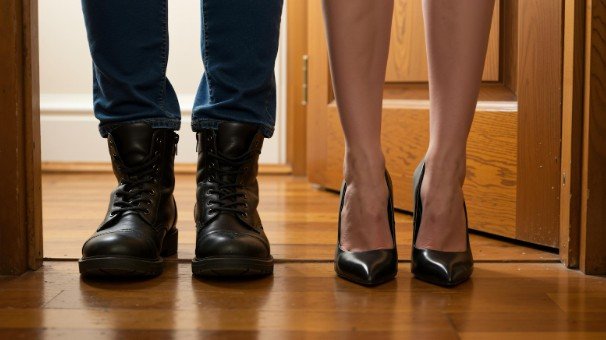
Before picking a style, I like to look at proportions instead of labels. Most people do not fit neatly into one category, so I find it more useful to notice where visual weight naturally sits.
If You Have a Petite Frame
I usually suggest keeping the line of the leg as open and uninterrupted as possible. Lower vamps, sleek sneakers, nude-toned shoes, pointed toes, and sandals with minimal straps often help create a longer look.
Shoes that are too chunky can sometimes overwhelm a smaller frame. Ankle straps are not always wrong, but I think they work best when they are delicate rather than thick and contrast-heavy. The goal is to avoid cutting the leg into shorter sections.
If You Are Tall
A taller frame can usually carry more visual weight without looking overwhelmed. Chunkier loafers, knee-high boots, high-top sneakers, thicker soles, and statement heels often look intentional and balanced. I find that taller proportions usually give more freedom to experiment with bold shapes.
That said, balance still matters. If the clothing is already oversized, I try not to let the footwear become so heavy that the outfit loses definition.
If You Have Curvier Hips or an Hourglass Shape
When the hips are more defined, I think balanced shoes usually work best. Medium-height block heels, almond-toe pumps, clean ankle boots, and refined wedges often complement curves without looking too delicate or too bulky.
I avoid extremes here. Very tiny heels can look visually lost, while overly heavy platforms may compete with the body’s natural shape instead of complementing it. The right footwear for oversized outfits helps balance proportions and ensures the outfit feels cohesive rather than overwhelming.
If You Have an Athletic or Straight Shape
I like using footwear to add softness or dimension. Rounded toes, sculpted heels, strappy sandals, textured flats, and shoes with subtle design detail can help create movement and visual interest.
This shape can also carry modern minimalist styles very well. Clean sneakers, elegant loafers, and sleek boots often look strong and effortless without needing much extra styling.
If You Carry More Width Through the Midsection
When the center of the body holds more visual weight, I usually try to create a longer, cleaner line. Pointed toes, low-cut pumps, heeled boots, and monochrome shoe choices tend to help keep the outfit streamlined.
I find that shoes with too many horizontal details around the ankle can interrupt that effect. A smoother shape usually feels more flattering and polished.
How Heel Height Changes the Look

Heel height matters, but not only for extra inches. It changes posture, proportion, and how clothing falls. I do not believe everyone needs high heels to look balanced. In fact, a low block heel or a slight lift often does more for everyday style because it is easier to wear naturally.
If I want leg-lengthening without discomfort, I usually go for a modest heel, a wedge with clean lines, or a dressy flat with a pointed toe. Comfort always affects confidence, and confidence changes how the entire outfit reads.
What to Avoid When a Shoe Feels Off
Sometimes a pair is not technically bad, but it fights the rest of your shape. When that happens, I check a few things. Is the shoe visually heavier than the outfit? Does it cut the leg at the wrong place? Is the toe shape too blunt for the silhouette? Is the heel too delicate or too bulky for my proportions?
These small details matter more than people expect. I have learned that when a shoe feels slightly wrong, it is usually because the scale is off. Fix the scale, and the outfit usually improves immediately.
Comfort Still Has to Lead the Decision
Style matters, but fit matters first. I never keep a pair just because it looks flattering in the mirror. If the arch support feels wrong, when your shoes are too tight, or the sole bends in an odd place, I know I will stop reaching for it.
The best pair should support the way you actually move through your day. That means considering walking time, standing time, foot width, and how the shoe feels from the first wear. A flattering pair that hurts will never become a favorite.
My Simple Rule for Getting It Right

When I shop, I ask myself one question: does this pair balance my proportions without making me work for it? If the answer is yes, I know I am close. The best choices do not just match clothes. They support the overall shape, feel easy to wear, and make getting dressed much simpler.
Frequently Asked Questions
1. How to Choose the Right Shoes for Your Body Type if I am petite?
I would focus on sleek shapes, lower vamps, and minimal ankle interruption. These details usually help create a longer leg line and keep the frame from feeling overwhelmed.
2. Do chunky shoes work on curvier figures?
Yes, they can. I think the key is moderation. A structured chunky shoe can look great, but overly oversized soles may feel too heavy if the rest of the outfit is soft or fitted.
3. Are pointed shoes always more flattering?
Not always, but they often help elongate the leg. I find they work especially well when I want a cleaner, sharper silhouette.
4. Should comfort matter as much as style?
Absolutely. If a pair does not fit well, it will not wear well. The most flattering shoe is the one that supports both your proportions and your daily routine.
What I’d Keep in Mind Every Time
If I have learned anything, it is that choosing shoes becomes easier once I stop chasing trends and start paying attention to balance. The most flattering pairs usually echo your proportions instead of fighting them.
When I choose styles that support my frame, outfit shape, and comfort, everything looks more intentional. That is the approach I trust every time I shop, and it is the reason I make better choices now than I did before.