I’ve seen this mistake too many times—buying a popular running shoe and expecting it to fix flat feet issues overnight. It rarely works like that. When I started paying attention to how my feet actually moved, not just how they looked, everything changed.
If you’re searching for the best running shoes for flat feet men, the real goal isn’t just comfort. It’s controlling overpronation, improving alignment, and choosing a shoe that works with your stride instead of against it.
In this blog, I’ll break down what actually matters, the best shoes right now, and the technical features that make a real difference.
What Are the Best Running Shoes for Flat Feet Men Right Now?
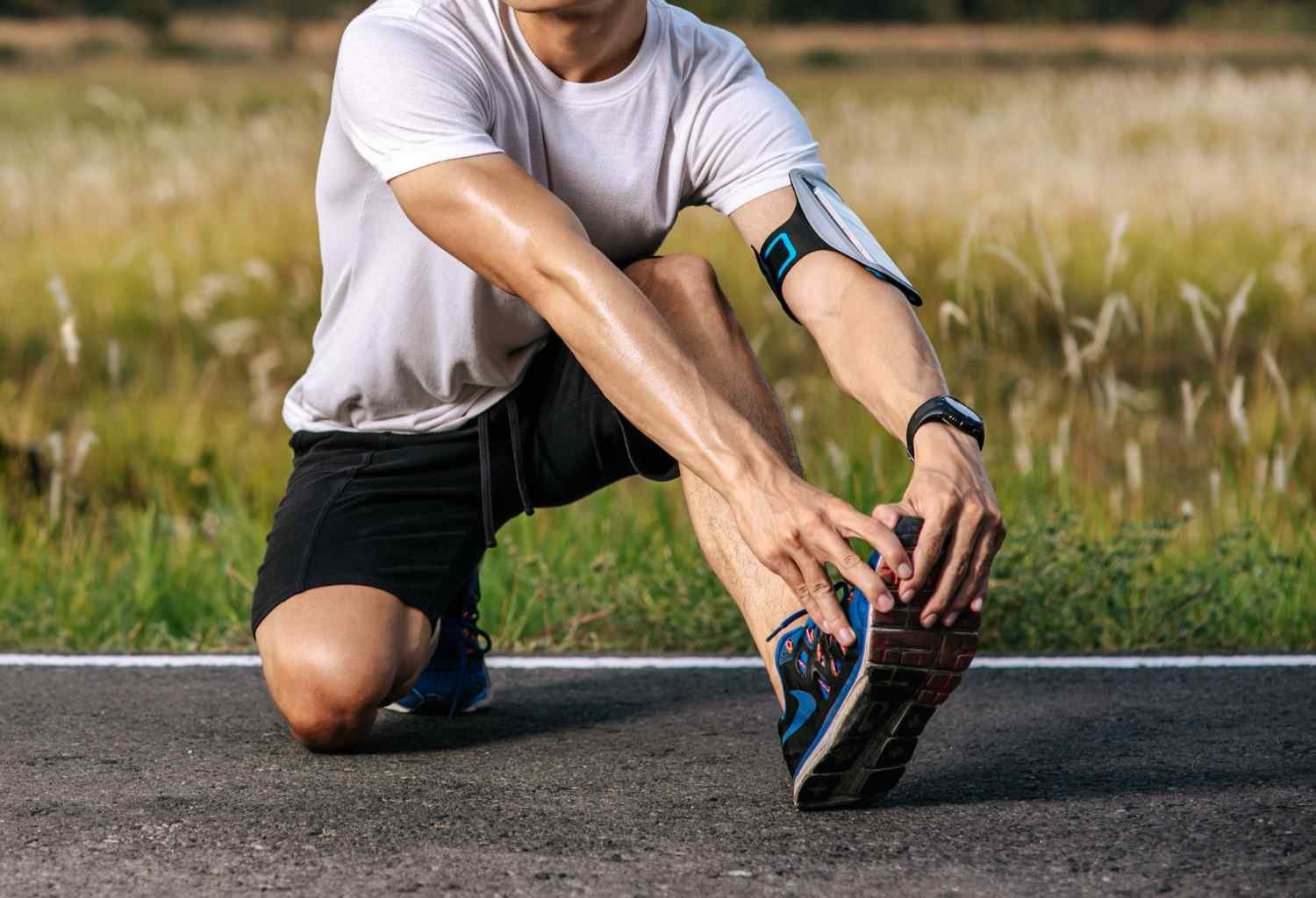
From everything I’ve tested and analyzed, these are the shoes that consistently perform well for flat-footed runners.
The Brooks Adrenaline GTS 23 stands out as the most balanced option. It uses guide rail technology that supports your stride only when needed, which keeps your movement natural while preventing excessive inward roll.
The ASICS Gel-Kayano 30 works best if you want maximum comfort with stability. It combines soft cushioning with a structured platform that helps reduce fatigue over longer distances.
The HOKA Arahi 6 offers a unique blend of lightweight cushioning and stability. It’s ideal if you want a softer landing without sacrificing control.
The New Balance Fresh Foam 860v13 is a strong choice if you need more room in the forefoot. Flat feet tend to spread on impact, and this shoe accommodates that naturally.
The Saucony Guide 16 remains one of the most reliable budget-friendly stability shoes without cutting essential support features.
Why Flat Feet Change the Way You Should Choose Running Shoes
Flat feet often lead to overpronation, where your foot rolls inward more than it should during your stride. That extra movement creates pain on your ankles, foot, knees, and even your hips over time.
What I’ve learned is that not every flat-footed runner needs maximum correction. The key is understanding how much your arch collapses and choosing the right level of support.
This is where most runners go wrong—they choose based on foot shape alone instead of movement patterns.
Stability vs Motion Control: What Do You Actually Need?
This is one of the most important distinctions.
Stability shoes are ideal if you have a moderate arch collapse. They use firmer foam on the inner side of the shoe to gently guide your foot back into alignment without restricting natural motion.
Motion control shoes are more rigid and built for severe overpronation. They often feature a straighter base and limit foot movement more aggressively. I usually recommend these only if you’ve had recurring injuries or significant instability.
For most runners, stability shoes offer the best balance between support and comfort.
What Features Actually Matter in Running Shoes for Flat Feet
When I evaluate a shoe, I don’t focus on branding. I focus on how the shoe is built.
Supportive technologies like medial posts use denser foam on the inner side of the shoe to slow down inward rolling. Modern designs also use guide rails along the edges of the shoe, allowing your foot to move naturally until support is needed.
The shape of the shoe matters more than people realize. A straight last provides more contact area under the arch, which improves stability compared to curved designs.
Torsional rigidity is another critical factor. If a shoe twists easily in the middle, it won’t provide enough support for flat feet. A stable shoe should resist twisting and maintain structure during movement.
The heel counter also plays a key role. A firm heel counter keeps your heel locked in place, preventing unnecessary movement that can lead to instability.
Why a Wide Toe Box Makes a Big Difference
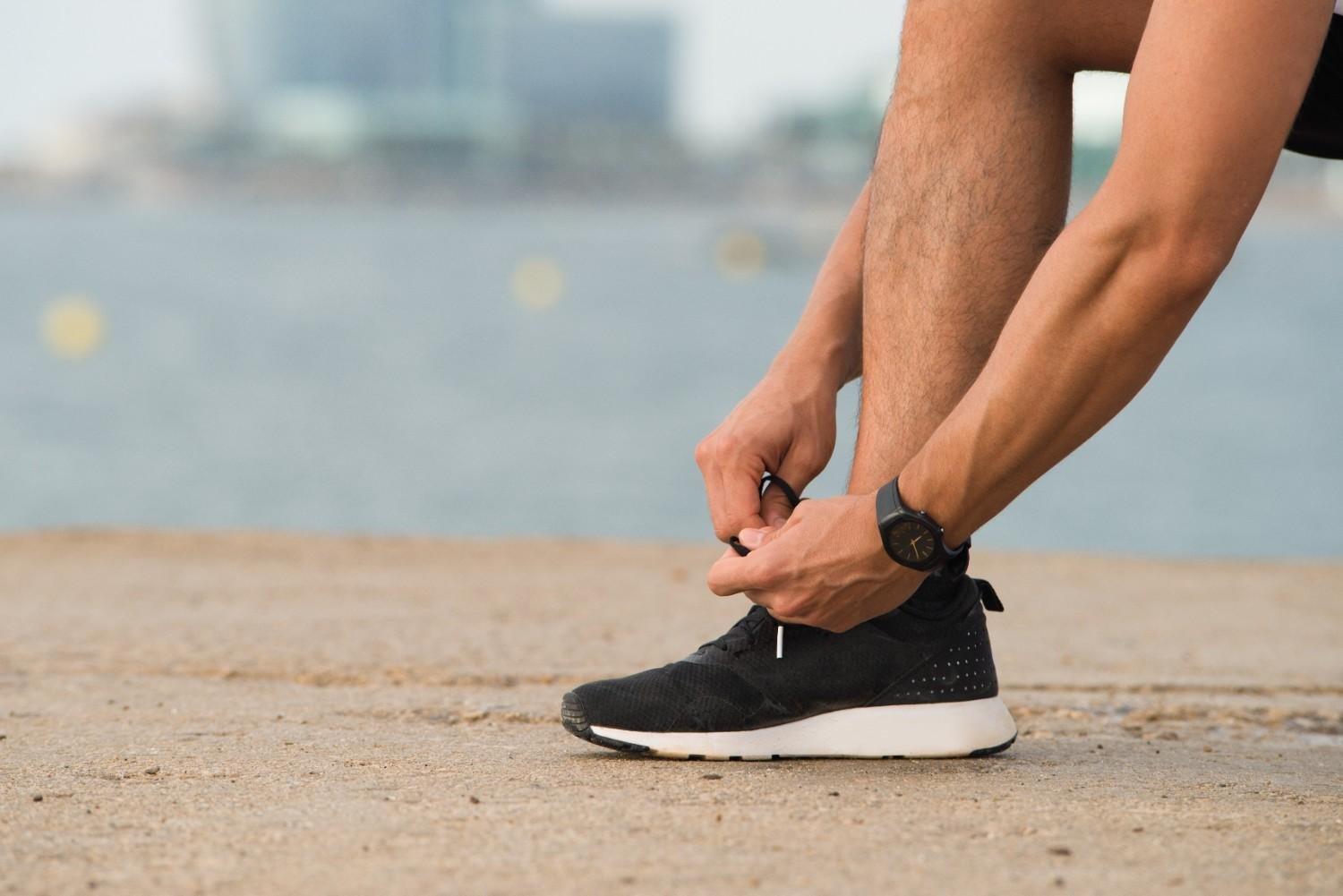
One thing I always tell people is this: flat feet don’t just affect your arch—they affect your entire foot shape.
During impact, your foot spreads out more. If your shoe is too narrow, it restricts natural movement and creates pressure points.
Choosing a wider toe box allows your toes to move freely and helps maintain a more stable base during your stride. This alone can improve comfort more than most people expect.
How Cushioning Affects Stability for Flat-Footed Runners
Cushioning is important, but too much softness can reduce stability.
What I look for is balanced cushioning. You want enough softness to absorb impact, but not so much that your foot sinks and loses control.
Shoes like the HOKA Arahi manage this balance well by combining cushioning with a structured midsole design.
How to Choose the Right Fit for Your Running Style
Even the best shoe won’t work if the fit is wrong, which is why choosing the best running shoes for flat feet men starts with getting the sizing and structure right. The same attention to fit also applies when picking sneakers for travel, where comfort over long hours matters just as much.
I always recommend trying shoes later in the day when your feet are slightly swollen. This gives you a more realistic sense of how they’ll feel during a run.
Make sure your midfoot feels secure without pressure, and leave enough room in the toe box to avoid crowding.
If you use orthotics, check that the shoe has removable insoles and enough depth to accommodate them without affecting stability.
Common Mistakes Men With Flat Feet Should Avoid
One of the biggest mistakes I see is choosing shoes based only on trends or popularity.
Another is ignoring how worn-out shoes affect performance. Even the best running shoes for flat feet men lose their support over time, and continuing to run in them can lead to discomfort or injury.
Many runners also assume they need maximum arch support, when in reality, structured stability often works better than aggressive correction.
How Long Do Running Shoes for Flat Feet Last?
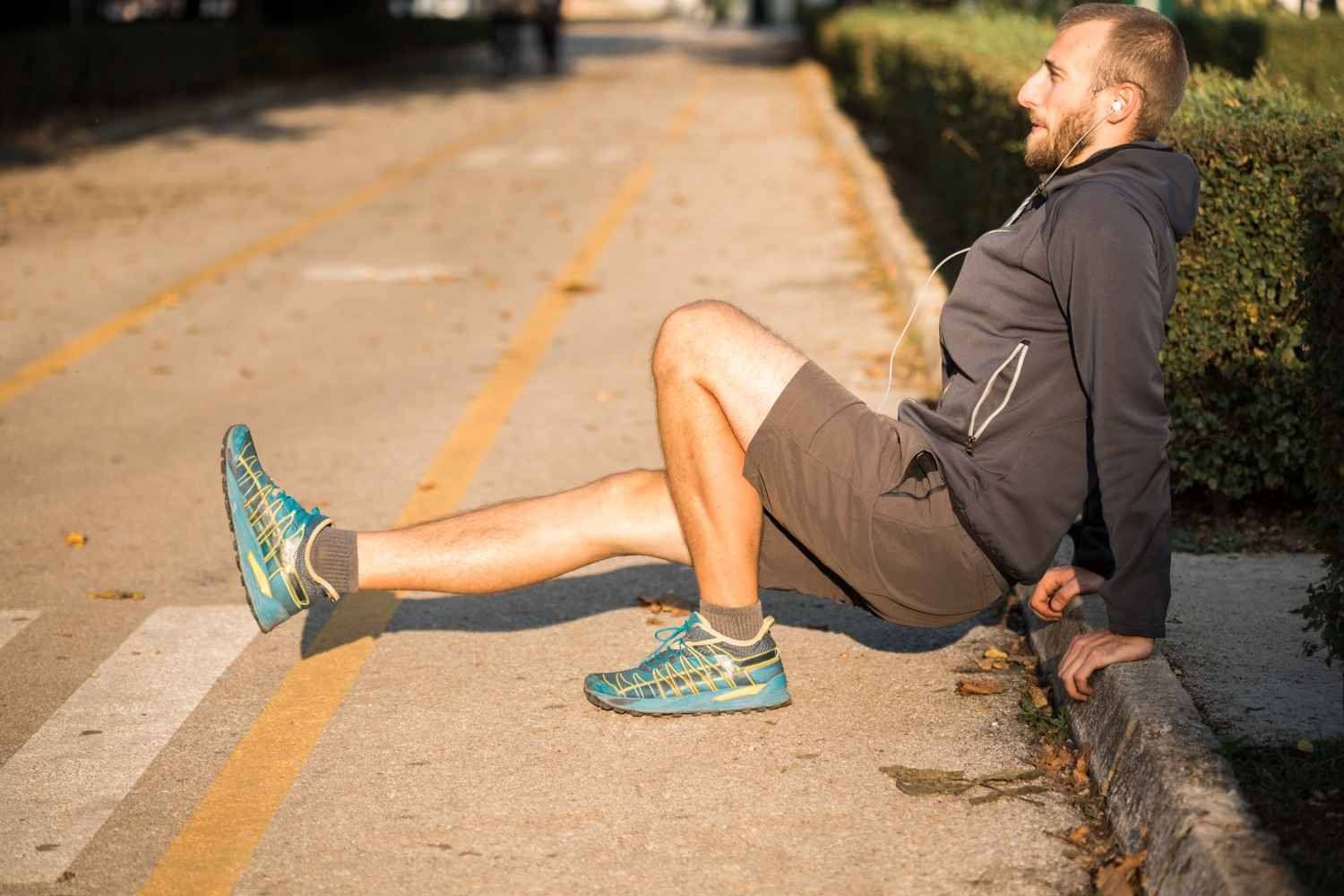
Most running shoes last between 300 and 500 miles, but I pay more attention to how they feel.
If the cushioning feels flat or the shoe no longer provides the same level of control, it’s time to replace them.
Your body usually notices the difference before your eyes do.
Frequently Asked Questions (FAQs)
1. What are the best running shoes for flat feet men?
The best running shoes for flat feet men provide stability features like medial posts or guide rails, along with balanced cushioning to control overpronation.
2. Do flat feet always require stability shoes?
Not always. If you don’t overpronate or experience pain, a neutral shoe with a stable base can still work effectively.
3. What is the difference between stability and motion control shoes?
Stability shoes guide your foot gently, while motion control shoes restrict movement more aggressively for severe overpronation.
4. Are wide shoes better for flat feet?
Yes, a wider toe box allows your foot to spread naturally and improves comfort and stability during runs.
What Actually Makes the Difference in the Long Run
If I could simplify everything, it would be this: don’t chase brands—focus on how the shoe supports your movement and the benefits of physical activity you gain from consistent, comfortable runs.
The best running shoes for flat feet men are the ones that keep your stride controlled without making it feel forced. Once you find that balance, running becomes smoother, more comfortable, and far more consistent.