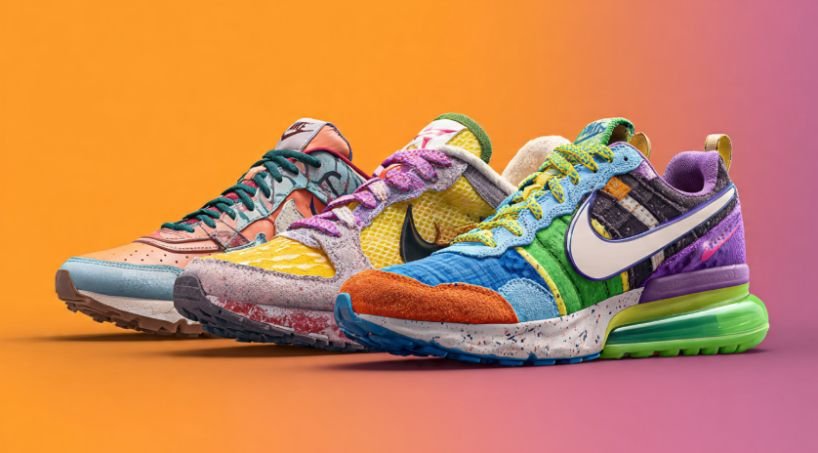
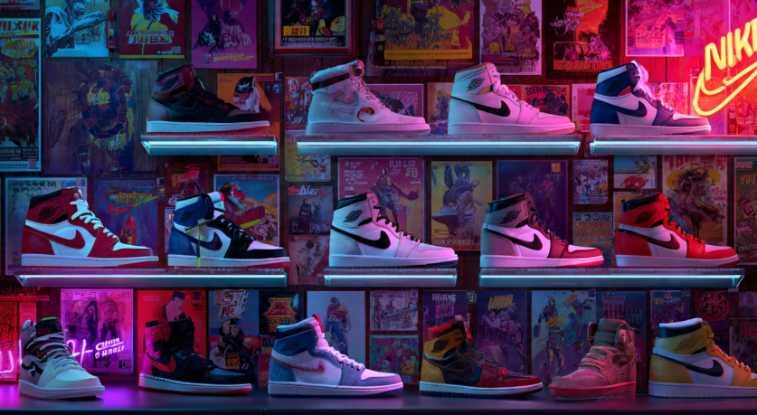
Sneakerhead culture has evolved into a global passion for collecting, trading, and admiring sneakers. What started as a niche interest in the 1980s has now become a massive industry driven by nostalgia, street style, and exclusivity.
With its roots deeply embedded in basketball and hip-hop, sneaker culture blends athletic performance, artistic design, and fashion in ways that continue to influence trends worldwide.
Whether you’re a seasoned collector or just beginning to appreciate the culture, this guide will take you through the history and key components of sneakerhead culture and provide essential tips on how to get started.
History and Evolution of Sneaker Culture
1. Origins (Early 1900s–1970s)
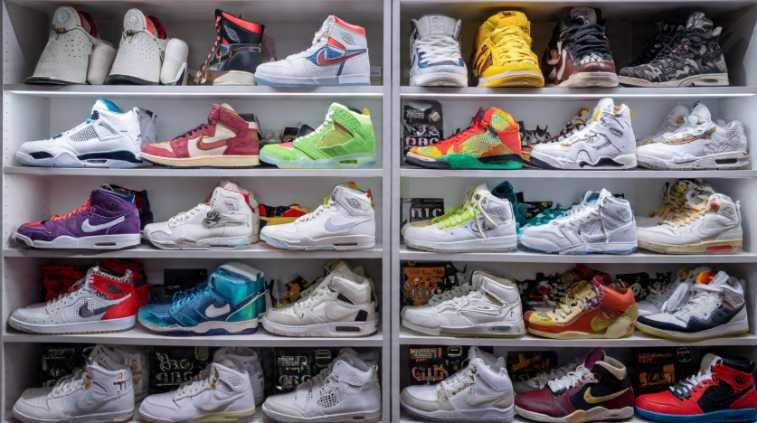
Sneakers have a long history that goes back over a century. The earliest rubber-soled shoes were produced by the Converse Rubber Company in 1908, and by the 1910s and 1920s, Converse Chuck Taylor All Stars were born.
This iconic sneaker would later become one of the most recognizable models in sneaker history. While sneakers were originally designed for athletic performance, it wasn’t until later that they evolved into fashion staples.
2. The 1980s Explosion
The 1980s marked the beginning of sneaker culture as we know it today. Nike’s Air Force 1, released in 1982, gained massive popularity not only for its performance but also for its unique colorways and marketing strategies, including the famous color-of-the-month program.
However, the real game-changer came in 1985 with the launch of Air Jordans. Created in partnership with NBA legend Michael Jordan, the Air Jordan 1 marked a pivotal moment, transforming athletic shoes into high-status fashion items.
This period also saw the rise of sneakers as part of the hip-hop subculture. Groups like Run-D.M.C. gave Adidas Superstars legendary status, making the sneaker synonymous with urban culture. Sneakers were no longer just for sports; they had become a symbol of rebellion, style, and influence.
3. Hip-Hop and Subcultures
The 1980s also witnessed the connection between hip-hop and sneakers solidify. Iconic brands like Adidas, Puma, and Nike capitalized on the growing influence of hip-hop culture, creating sneakers that were deeply embedded in the music and lifestyle. At the same time, skateboarders in California adopted basketball shoes like the Air Jordans for their durability and unique style.
4. Modern Era (2000s–Present)
With the rise of social media, online platforms, and resale marketplaces, sneakerhead culture has exploded into a global phenomenon. What once was a niche interest has turned into a multi-billion-dollar industry.
Retro sneaker releases have brought classics like the Air Jordan 1 and Nike Air Max back into the spotlight, while collaborations with high-fashion brands and celebrities (like Yeezy with Kanye West, Off-White with Virgil Abloh, and Travis Scott’s designs) continue to fuel demand and drive resale prices through the roof.
Key Components of Sneakerhead Culture
1. The “Grails”
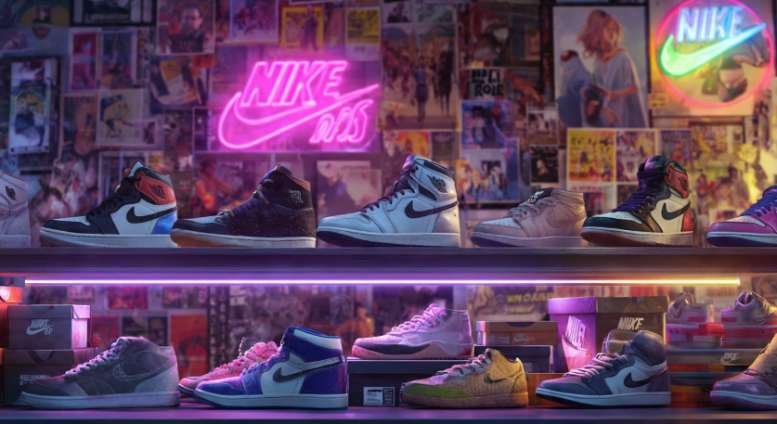
In sneakerhead culture, the term “grails” refers to the rarest, most coveted sneakers, often released in limited quantities or featuring high-profile collaborations. These sneakers can fetch exorbitant prices in the resale market. Examples include the Yeezy Boost 350 V2 and limited edition Air Jordan 1s. For sneakerheads, owning a grail is more than just about having a pair of sneakers—it’s a statement of passion, commitment, and status.
2. The Resale Market
The resale market plays a huge role in sneakerhead culture. Scarcity drives value, and many sneakers are released in limited runs, creating a competitive market. Platforms like StockX, GOAT, and eBay have turned sneaker reselling into a legitimate business, with some sneakers even being sold for several times their original retail price.
This secondary market has contributed to sneakers being viewed as investment items, where collectors buy shoes not only for personal enjoyment but also as assets that appreciate over time.
3. Community and Content
Sneakerheads are part of a global community that connects through social media platforms like Instagram, Reddit, and YouTube. Collectors share their sneaker collections, post reviews, and stay updated on the latest releases.
Events like sneaker conventions and pop-up stores also serve as gathering points for enthusiasts to trade sneakers and learn from industry experts. Content creators, bloggers, and influencers have also fueled the growth of sneaker culture by curating style guides, providing sneaker news, and showcasing custom designs.
4. Sneaker Terminology
To be part of the sneakerhead community, it’s essential to understand the lingo. Some key terms include:
- Retro: Refers to the re-release of classic sneaker models.
- Colorway: The specific combination of colors used in a sneaker design.
- Deadstock: A term used to describe brand-new, unworn sneakers, often with the original packaging.
- Hype: Refers to the intense demand and excitement around certain releases, often fueled by celebrity endorsements, limited availability, or collaborations.
Must-Know Sneaker Heritage
To truly appreciate sneaker culture, you should familiarize yourself with the iconic sneakers that have shaped the industry. Here are a few must-know classics:
1. Air Jordan 1 (1985)
The Air Jordan 1 is considered the holy grail by many and is often credited as the starting point of modern sneakerhead culture. Michael Jordan’s first signature sneaker revolutionized the industry, combining performance with fashion. The “Bred” and “Royal” colorways remain iconic today.
2. Nike Air Force 1 (1982)
Released in 1982, the Air Force 1 was the first basketball shoe to feature Nike Air cushioning. Its versatility, comfort, and enduring popularity make it a timeless classic in sneaker culture.
3. Converse Chuck Taylor All Star
One of the oldest sneakers in the world, the Chuck Taylor All Star is a symbol of versatility and timeless style. It’s been adopted by basketball players, rock stars, and fashion icons alike.
4. Adidas Superstars
Originally released in 1969, the Adidas Superstars were made famous by Run-D.M.C. in the 1980s. Their shell-toe design and connection to hip-hop culture cemented their place in sneaker history.
5. Nike Air Max Series (1987)
The Air Max series, with its visible air cushioning, changed the sneaker industry in 1987. Models like the Air Max 1 and Air Max 90 remain fan favorites today.
Getting Started as a Sneakerhead
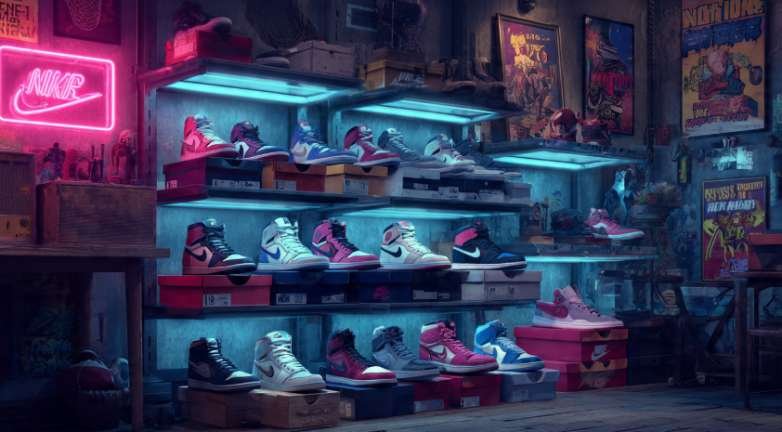
If you’re new to sneakerhead culture and want to start building your collection, here are a few tips:
1. Start with Classics
Invest in iconic, versatile models like Nike Air Force 1s, Air Jordans, or Converse Chuck Taylors. These sneakers never go out of style and are the perfect foundation for any collection.
2. Focus on Condition
Many sneakerheads take immaculate care of their shoes, keeping them as collector’s items rather than everyday wear. If you plan to collect, focus on preserving the condition of your sneakers.
3. Follow Release News
Stay updated on new releases and drops through apps like SNKRS and sneaker blogs. Early access and quick purchases will help you secure the most coveted sneakers before they sell out.
4. Research the History
Learning about the history of each sneaker, including the athletes, designers, and cultural movements behind them, is essential for fully appreciating the culture.
FAQs
What is a sneakerhead?
A sneakerhead is someone who collects, trades, or has a deep interest in sneakers, often seeking rare or limited-edition models for personal enjoyment or as an investment.
How can I start collecting sneakers?
Start with iconic models like Nike Air Force 1s or Adidas Superstars, and learn about sneaker history. Stay updated on new releases through apps like SNKRS and follow sneaker communities online.
What makes a sneaker valuable?
Sneaker value is driven by factors like scarcity, collaborations, celebrity endorsements, and historical significance. Limited releases, high-demand models, and unique designs tend to have the highest value.
How do I spot fake sneakers?
Check the SKU number on the box and tag, ensure the quality of materials and stitching, and inspect the box for authenticity. Buying from trusted retailers and using authentication apps can also help avoid counterfeits.
Why are Air Jordans so popular?
Air Jordans revolutionized the sneaker industry with their innovative design and association with Michael Jordan. The brand’s collaborations, limited releases, and cultural impact have made Air Jordans a staple in sneaker culture.
Conclusion: Embrace the Sneakerhead Lifestyle
Sneakerhead culture is more than just a hobby; it’s a way to express your personality, celebrate athletic history, and invest in a piece of cultural legacy.
From its roots in basketball and hip-hop to the modern-day sneaker boom, understanding the history and key components of sneaker culture will enhance your appreciation of the kicks you wear. Start small, stay informed, and you’ll soon be part of a global community of sneaker enthusiasts.
Be cautious of deals that seem too good to be true and use authentication services and trusted platforms when buying. With careful attention and research, you can ensure that your sneaker collection is full of authentic, high-quality pairs. Happy hunting and also explore How to style high-top sneakers with jeans!