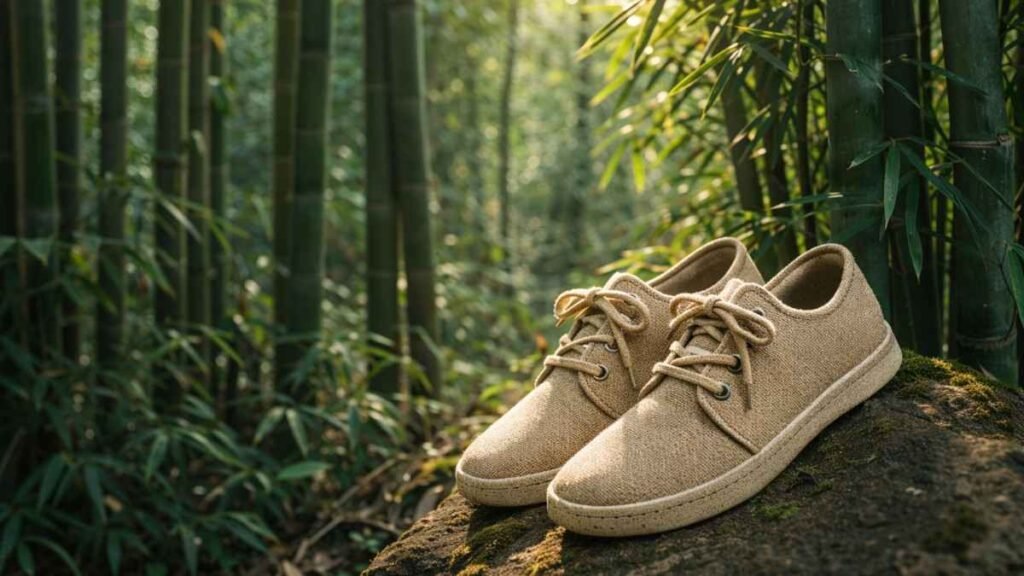
Finding shoes that feel good all day and still align with eco-conscious values is not as easy as it sounds. Bamboo fiber shoes pros and cons became a real topic of interest during my search for breathable everyday footwear that would not trap sweat or smell. They promise comfort, sustainability, and freshness, but the reality is more nuanced than the marketing suggests.
Key Takeaways
- Bamboo shoes are known for exceptional softness and comfort, often compared to premium fabrics like silk.
- They offer strong moisture-wicking and odor control, making them ideal for daily wear.
- However, durability can be an issue with frequent use.
- The sustainability claim is mixed due to chemical processing.
- They work best for casual use rather than intense activities.
What Are Bamboo Fiber Shoes
Understanding the material helps you evaluate bamboo fiber shoes pros and cons better.
How Bamboo Fiber Is Made?
Bamboo fiber used in shoes is typically processed into bamboo viscose or rayon. The plant is broken down into pulp and chemically treated to create soft fibers. This process gives the material its smooth texture and flexibility but also raises several environmental concerns.
How Bamboo Is Used In Shoes?
In most bamboo footwear, the fiber is used in the upper fabric, inner lining, or insoles. It is rarely used in soles, which are usually made of rubber or foam for support and durability.
Are Bamboo Shoes Trending?
The rise of sustainable fashion has made bamboo a popular choice. Its rapid growth and low pesticide use make it appealing. Combined with comfort features, it attracts eco-conscious buyers looking for alternatives to synthetic materials.
Bamboo Fiber Shoes Pros And Cons Explained
This section gives a balanced view of bamboo fiber shoes pros and cons based on real performance and material properties.
Superior Comfort And Softness
Bamboo fabric is incredibly soft and smooth, often compared to cashmere. This makes the shoes gentle on the skin and ideal for long wear without irritation or friction.
Moisture-Wicking And Breathability
Bamboo fibers can absorb significantly more moisture than cotton. This helps keep feet dry and reduces sweat buildup, making them suitable for warm climates or long days.
Odor Resistance And Hygiene
Natural antibacterial properties help control odor. This makes bamboo shoes a great option for people who prefer wearing shoes without socks or need freshness throughout the day.
Eco Benefits & Real Concerns
Let’s look beyond marketing claims and understand the sustainability aspect of bamboo fiber shoes pros and cons.
Renewable Resource Advantage
Bamboo grows quickly without requiring heavy irrigation or pesticides. It regenerates naturally, making it a renewable raw material compared to conventional crops.
Chemical Processing Reality
Most bamboo fabric is processed using chemicals like carbon disulfide. This raises concerns about environmental impact and worker safety, making the sustainability claim less straightforward.
Greenwashing Risks
Many brands label bamboo products as natural or organic. However, once processed into viscose, the material is chemically altered, which can mislead buyers who expect a fully natural product.
Bamboo Fiber Shoes Cons You Should Know
No product is perfect, and understanding the drawbacks is key to evaluating bamboo fiber shoes pros and cons.

Durability And Wear Issues
Bamboo fabric is softer but less durable than synthetic materials. Shoes may lose shape or wear out faster, especially with frequent or heavy use. Since durability can be limited, some users prefer to upcycle shoes into something useful once they wear out.
Moisture Retention When Wet
While bamboo wicks sweat effectively, it can take longer to dry when fully soaked. This makes it less ideal for rainy conditions or intense workouts.
Price And Value
High-quality bamboo shoes often come at a premium price. While comfort is excellent, the shorter lifespan may not justify the cost for some buyers.
Bamboo Shoes Vs Other Materials
Comparing materials helps you better understand bamboo fiber shoes pros and cons in practical terms.
| Comparison | Bamboo | Other Material |
| Bamboo vs Cotton | Softer, more breathable, and highly absorbent. Offers better moisture control and comfort for long wear. | More durable and easier to maintain. Holds shape better over time. |
| Bamboo vs Synthetic Materials | Superior comfort and breathability. Ideal for casual wear and reducing sweat. | Better durability, structure, and performance for sports or heavy use. |
| Bamboo vs Leather | Lightweight, breathable, and more comfortable in warm weather. | Highly durable with strong structure. Better for long-term use and rugged conditions. |
Real Performance Of Bamboo Shoes
Real-world usage reveals insights that most blogs overlook when discussing bamboo fiber shoes pros and cons.
Daily Comfort Experience
For everyday activities like walking or commuting, bamboo shoes feel lightweight and breathable. They reduce sweat and keep feet comfortable throughout the day.
Long-Term Usage Reality
Over time, signs of wear may appear sooner than in traditional sneakers. The softness that enhances comfort also contributes to reduced durability.
Best Use Cases
They are ideal for casual outings, travel, and office wear. They are not the best choice for running, gym workouts, or rugged outdoor use.
How To Choose Bamboo Fiber Shoes While Buying?
Choosing wisely helps you maximize the benefits of bamboo fiber shoes pros and cons.

- Start by checking the exact material composition since many shoes only contain a small percentage of bamboo fiber. Look for transparency in labeling and certifications that indicate safer processing.
- Next, evaluate the sole quality because support and cushioning matter more than the fabric alone. Pay attention to stitching and construction quality, as these determine how long the shoes will last.
- Finally, match your purchase to your lifestyle. Bamboo shoes are great for casual comfort but not for high-performance needs.
Who Should Buy Bamboo Shoes?
Not every shoe suits every lifestyle, so it helps to know if bamboo is right for you.
Ideal Buyers
Eco-conscious consumers, people with sensitive skin, and those who prioritize comfort and breathability will benefit most from bamboo shoes.
Who Should Avoid Them
Athletes and people needing durable, high-performance footwear may find bamboo shoes lacking in support and longevity.
Frequently Asked Questions
1. What are the disadvantages of bamboo fiber?
Bamboo fiber can be less durable, may involve chemical processing, and often costs more than traditional materials.
2. What is the healthiest shoe for your foot?
Shoes with proper arch support, breathable fabric, and a comfortable fit are considered healthiest for daily use.
3. Is 100% cotton or bamboo better?
Bamboo is softer and more moisture-wicking, while cotton is more durable and easier to maintain.
4. How long does bamboo fiber last?
Bamboo fiber products typically last from several months to a couple of years depending on usage and care.
Are Bamboo Shoes Worth It?
Bamboo fiber shoes pros and cons clearly show that these shoes offer impressive comfort, breathability, and eco appeal, but they are not without flaws. They work best for casual, everyday use where comfort matters more than durability. If sustainability and softness are your priorities, they are worth trying, but they may not replace your regular performance footwear.