I’ve worn both leather and synthetic shoes for years—at work, during travel, and on long walking days across different climates in the U.S. If you’re trying to decide, leather vs synthetic shoes which is better, the answer comes down to what you value most.
Leather stands out for long-term comfort, durability, and a premium look. Synthetic shoes win on affordability, lightweight feel, and low maintenance. But once you look deeper, the decision becomes much more practical than it seems.
Leather vs Synthetic Shoes Which Is Better? A Quick Answer
If you want shoes that last for years and mold to your feet, leather is the better investment. If you want something budget-friendly and easy to maintain for everyday errands, synthetic shoes make more sense.
Comparison at a Glance: Leather vs Synthetic Shoes
| Feature | Leather Shoes | Synthetic Shoes |
| Durability | High (5+ years with care) | Lower (1–2 years average) |
| Comfort | Break-in needed; molds to foot | Instant comfort; lightweight |
| Breathability | Naturally breathable | Traps heat and moisture |
| Price | Higher upfront cost | Budget-friendly |
| Maintenance | Needs polishing and care | Easy to clean |
This quick comparison gives you a snapshot, but the real difference shows up in everyday use.
What Is the Real Difference Between Leather and Synthetic Shoes?
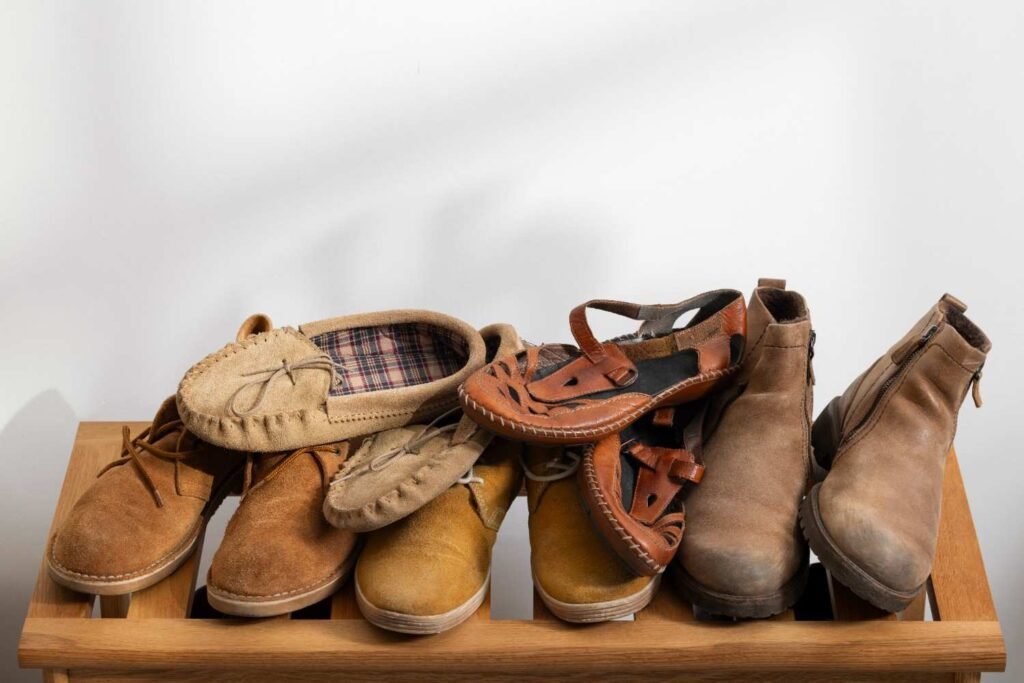
Leather is made from natural hide, which means it behaves like a living material. It softens with heat and adapts to your foot shape over time. That’s why leather shoes often feel better the longer you wear them.
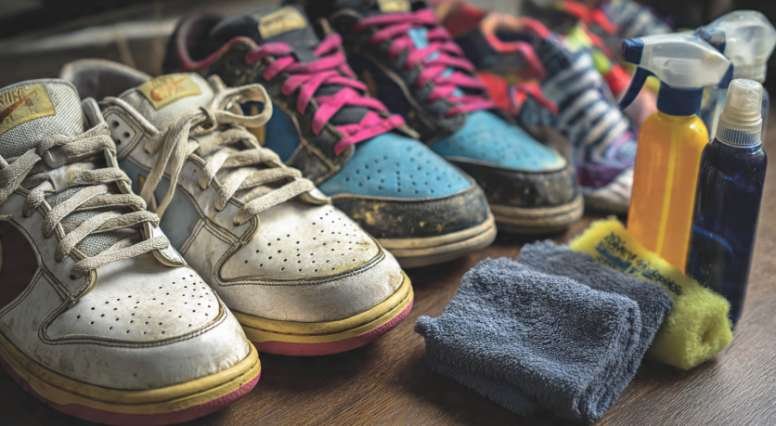
Synthetic shoes are made from materials like PU or PVC (polyvinyl chloride). They’re engineered to look like leather but don’t evolve with wear. What you feel on day one is mostly what you’ll feel months later.
From my experience, this single difference affects comfort, durability, and overall value more than anything else.
Which Is More Comfortable for Daily Wear?
When I started comparing both seriously, comfort became the biggest deciding factor.
Leather shoes may feel slightly stiff at first, but once broken in, they become incredibly supportive. They reduce pressure points and feel more natural during long hours.
Synthetic shoes feel soft immediately. That makes them great for short-term wear, but they don’t provide the same long-term support. After a few months, I often noticed less cushioning and structure.
For long office days or extended walking, leather consistently performs better.
Which Lasts Longer Over Time?
Durability is where leather clearly wins.
I’ve owned leather shoes that lasted over five years with basic care. They don’t just survive—they actually improve in appearance with age.
Synthetic shoes usually last around one to two years. The material tends to crack, peel, or lose shape with frequent use.
When you think about cost per year, leather becomes a smarter investment even though the upfront price is higher.
Are Leather Shoes Better for Breathability and Foot Health?

Yes, and this matters more than most people realize.
Leather has natural pores that allow airflow. This helps keep your feet cooler and reduces moisture buildup, especially during warmer months in many parts of the U.S.
Synthetic materials tend to trap heat. I’ve noticed more sweating and discomfort during extended wear, particularly in humid conditions.
If you’re prone to sweaty feet or spend long hours in shoes, leather makes a noticeable difference.
Leather vs Synthetic Shoes Which Is Better for Price and Value?
At first, synthetic shoes seem like the obvious choice because they cost less.
But once I started looking at long-term value, my perspective changed. A leather pair that lasts five years often costs less per year than replacing synthetic shoes every 12–18 months.
Synthetic shoes still make sense if you need something affordable right now. But for long-term use, leather offers better overall value.
Why Choose Leather Shoes?
Leather works best if you care about durability, comfort, and a refined look. Over time, it molds to your feet, creating a custom fit that synthetic materials simply can’t replicate.
It also supports better foot health due to breathability and can often be repaired or resoled, extending its lifespan significantly. For professional settings or daily wear, leather consistently delivers a more reliable experience.
Why Choose Synthetic Shoes?
Synthetic shoes are practical for modern, fast-paced lifestyles.
They’re lightweight, flexible, and require almost no maintenance. Many are water-resistant, which makes them useful during rainy conditions or unpredictable weather.
They also offer more variety in design, which is why they’re popular for casual and athletic styles. If you want convenience and affordability, synthetic is a solid choice.
Which Should You Choose Based on Your Lifestyle?
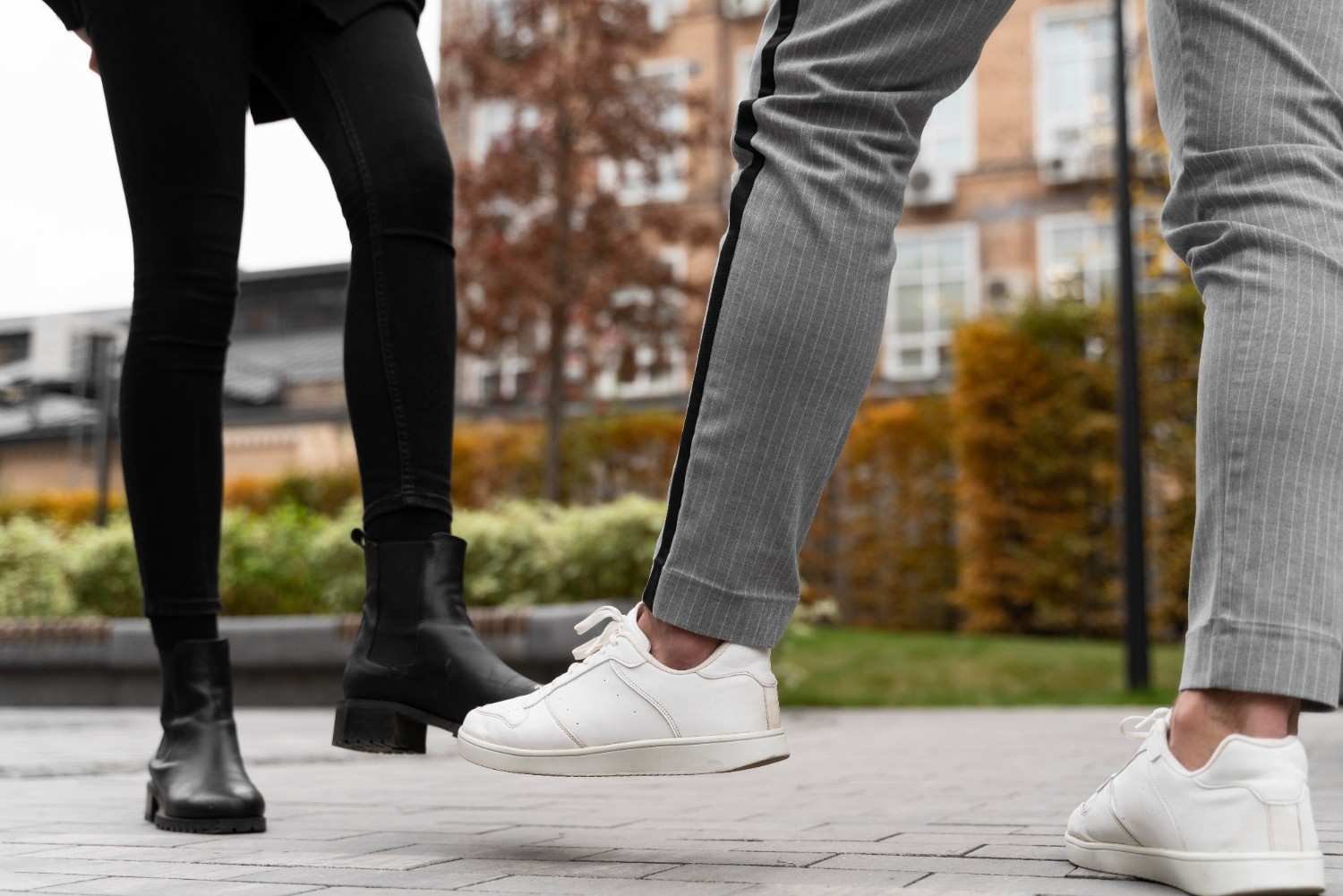
From my experience, the best choice becomes obvious when you match shoes to your routine. If you work long hours, walk frequently, or want something that lasts, leather is the better option. If you need lightweight shoes for occasional use, travel, or casual wear, synthetic shoes fit better.
I also pay attention to specific needs—like finding the right women’s shoes for ankle support when stability matters most. I personally use both. Leather for work and long days, and synthetic for quick errands or relaxed outings. That balance gives me the best of both worlds.
Frequently Asked Questions (FAQs)
1. Leather vs synthetic shoes which is better for everyday use?
Leather is better for long-term daily wear because it offers durability and support. Synthetic shoes are better for short-term comfort and occasional use.
2. Do leather shoes last longer than synthetic shoes?
Yes, leather shoes can last several years with proper care, while synthetic shoes usually last one to two years.
3. Are synthetic shoes good for walking all day?
They can feel comfortable at first, but they often lack the long-term support needed for extended walking.
4. Which is better for hot weather, leather or synthetic?
Leather is better because it allows airflow and helps keep your feet cooler.
Conclusion:
After testing different shoes and learning from mistakes, I realized comfort is something you should never ignore. The right shoes don’t just support your feet—they improve your posture, movement, and overall energy throughout the day.
What changed everything for me was focusing on long-term performance instead of first impressions. Once I prioritized cushioning, support, stability, and proper fit, my daily comfort improved significantly.
There’s no one-size-fits-all solution, but understanding your needs makes choosing easier. When you get it right, you feel less fatigue, better balance, and consistent comfort that helps you stay focused and productive from start to finish.