No one tells you this, but the shoes you wear after 50 can quietly shape how your body feels every single day. I learned this the hard way—through sore heels, tired legs, and walks that felt shorter than they should have.
Once I switched to the best walking shoes for women over 50, everything changed. Walking felt smoother, lighter, and something I actually looked forward to again.
Why Do Women Over 50 Need Specialized Walking Shoes?
As we age, our feet go through structural changes that most people don’t talk about enough. The natural fat padding under the feet begins to thin, which means less shock absorption with every step. At the same time, arches can flatten, joints stiffen, and foot width can increase slightly.
I noticed this myself when shoes that once felt perfect suddenly felt tight or unsupportive. Without the right footwear, that impact doesn’t just stay in your feet—it travels upward into your knees, hips, and lower back. That’s why choosing the right walking shoe becomes less about preference and more about long-term health.
What Are the Best Walking Shoes for Women Over 50 Right Now?
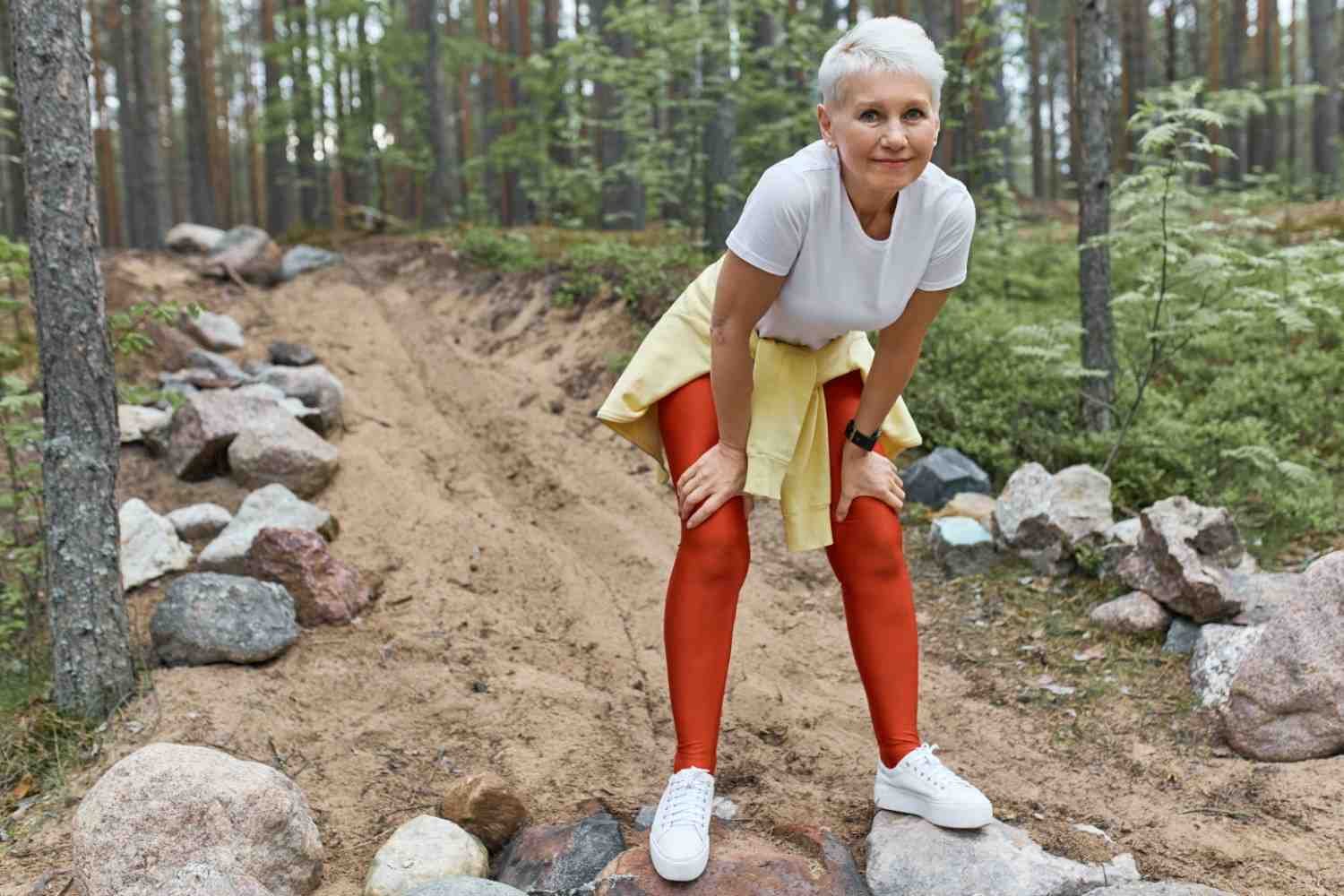
From what I’ve tested and researched, a few brands consistently stand out because they address real issues like joint stress, stability, and foot alignment.
The Brooks Ghost series remains one of the most reliable all-around options. It offers balanced cushioning that absorbs impact without feeling unstable, making it ideal for daily walking routines.
If joint pain is something you deal with, the HOKA Bondi stands out for its thick, shock-absorbing sole. It reduces pressure on knees and hips, especially if you walk on hard surfaces like sidewalks.
For arch support and foot alignment, ASICS Gel-Nimbus provides structured support that helps reduce fatigue and heel pain. It’s particularly helpful if you’ve dealt with plantar fasciitis.
If your feet feel wider than they used to, New Balance 990 offers multiple width options and a stable base that supports balance and comfort throughout the day.
And if you want something that blends support with style, Vionic shoes provide built-in orthotic features while still looking modern enough for everyday wear.
How Do You Choose the Best Walking Shoes for Women Over 50?
This is where most people feel overwhelmed, but I’ve learned to focus on how the shoe actually supports my body rather than how it looks.
Shock absorption is the first thing I pay attention to. Since the natural cushioning in our feet decreases over time, a thick, responsive midsole becomes essential. It absorbs the impact that would otherwise stress your joints with every step.
Stability and arch support are just as important. Shoes that prevent your feet from rolling inward or outward help maintain proper alignment. A firm heel counter keeps your foot centered, which improves balance and reduces strain.
The shape of the shoe matters more than most people realize. An anatomical toe box allows your toes to spread naturally, which improves comfort and balance while preventing issues like bunions or nerve compression.
One feature I didn’t appreciate enough before is the rocker bottom foot. A slightly curved sole helps your foot move smoothly from heel to toe, reducing the effort required from your joints. This becomes especially helpful if you experience stiffness or arthritis.
Ease of entry is another practical detail that makes a difference. Shoes with flexible openings or hands-free designs eliminate the need to constantly bend down, which can be a small but meaningful improvement in daily life.
Finally, breathable and flexible uppers help accommodate swelling during longer walks. Materials like engineered mesh adapt to your foot shape, preventing pressure points and discomfort.
What Features Actually Reduce Foot and Joint Pain?

When I switched to better walking shoes, the difference wasn’t subtle—it was immediate. The right features work together to distribute pressure evenly, support natural movement, and reduce the strain that builds up over time, especially when you’re dealing with foot and joint pain.
Cushioning reduces impact before it reaches your joints. Stability keeps your steps controlled and balanced. Proper fit ensures that your foot isn’t fighting against the shoe with every movement.
What surprised me most is how much better my posture felt. Good walking shoes don’t just support your feet—they improve how your entire body moves.
Are Expensive Walking Shoes Worth It After 50?
I used to think all sneakers were basically the same, just at different price points. That changed quickly once I started paying attention to how my body felt after a long walk.
Higher-quality walking shoes are designed with better materials, more advanced cushioning systems, and structural support that cheaper options simply don’t offer. While you don’t need the most expensive pair on the market, investing in the right one can save you from ongoing discomfort and frequent replacements.
How Often Should You Replace Walking Shoes?
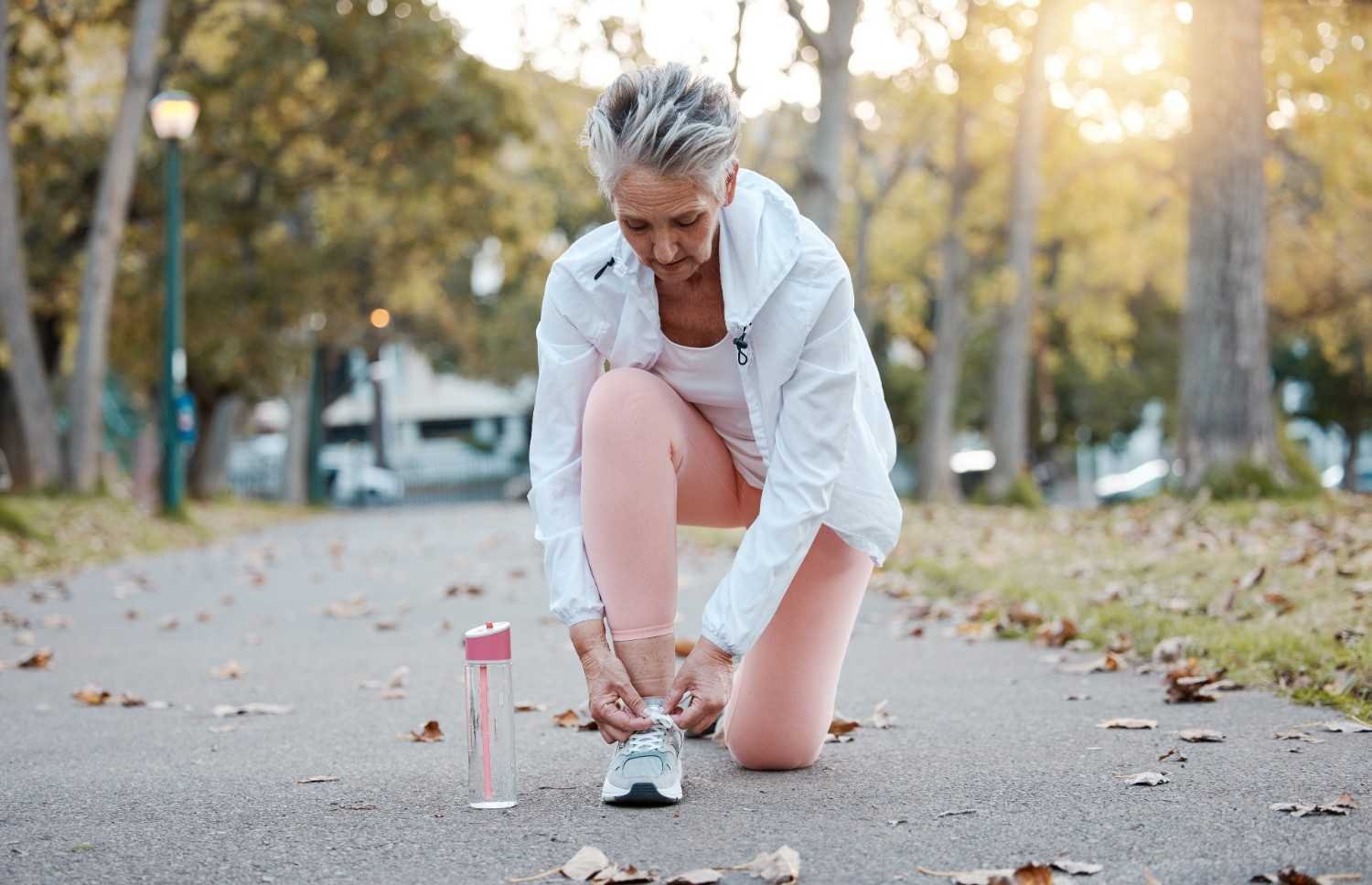
I usually replace mine once the cushioning starts to feel flat or after several months of consistent use. Even if the shoes still look good on the outside, the internal support can wear down over time.
If you start noticing discomfort returning, that’s often the first sign that your shoes are no longer doing their job.
FAQs About Best Walking Shoes for Women Over 50
1. What are the best walking shoes for women over 50 with knee pain?
Shoes with strong cushioning and shock absorption, like HOKA or Brooks, help reduce impact on joints and ease knee discomfort.
2. Do walking shoes need arch support after 50?
Yes, proper arch support helps maintain alignment, reduces foot fatigue, and prevents common issues like plantar fasciitis.
3. Are lightweight shoes better for older women?
Lightweight shoes reduce fatigue, but they must still provide enough support and cushioning to protect joints.
4. Can the best walking shoes for women over 50 improve balance?
Yes, stable soles, proper fit, and supportive design help improve balance and reduce the risk of falls.
What Made the Biggest Difference for Me
If I had to simplify everything I’ve learned, it would come down to this: your shoes should work with your body, not against it. That’s exactly why I started paying attention to features like stability and choosing the best women’s shoes for ankle support, especially as comfort became more important with time.
Once I found the best walking shoes for women over 50, walking stopped feeling like a task and started feeling like something I genuinely looked forward to. My steps felt lighter, my joints felt supported, and I didn’t have that end-of-day soreness anymore.
And honestly, that’s what matters most—not just walking more, but walking comfortably for years to come.