I used to think my feet were the problem.
Every pair I bought looked good in the store, but after a few hours, the sides started pressing, my toes felt cramped, and walking became uncomfortable. If you’re searching for best casual shoes for wide feet men, you’re likely dealing with the same frustration.
Here’s the truth most blogs don’t tell you: sizing up doesn’t fix wide feet. It actually makes things worse.
In this blog, I’ll show you exactly how to choose shoes that are built for your foot shape—not against it. You’ll learn what features actually matter, what to avoid, and how to find casual shoes that feel comfortable all day without looking bulky.
What Are the Best Casual Shoes for Wide Feet Men?
The best casual shoes for wide feet men are designed with structural features that support natural foot shape rather than forcing your feet into narrow molds.
From my experience working with different shoe constructions, the most reliable options are casual sneakers with engineered mesh uppers, soft leather loafers with flexible builds, and derby-style casual shoes with open lacing systems.
What separates a comfortable shoe from a painful one isn’t the brand. It’s how the shoe is engineered.
Why Most Casual Shoes Fail for Wide Feet
Most casual shoes are built on a standard “D” width last. That design assumes a narrow-to-average foot shape, which creates pressure points for wider feet.
When I first started analyzing shoe fit issues, I noticed a pattern. The problem wasn’t length—it was lateral compression. Shoes squeezed the forefoot while leaving unnecessary space at the front.
This leads to discomfort, instability, and long-term foot fatigue.
What Design Features Actually Make Shoes Comfortable for Wide Feet?
Why Dedicated Width Sizing Changes Everything
One of the biggest upgrades you can make is switching to shoes labeled 2E or 4E. These are not just slightly bigger—they are structurally wider.
When I moved from standard width to true wide sizing, the difference was immediate. My foot sat inside the shoe instead of spilling over the edges.
According to footwear fit standards referenced by American Podiatric Medical Association, proper width alignment reduces pressure and improves gait stability.
How Anatomical Toe Boxes Improve Comfort
Most people don’t realize that the human foot is naturally widest at the toes, not the midfoot.
An anatomical or foot-shaped toe box allows your toes to spread naturally. This improves balance and prevents compression.
I always avoid tapered designs like almond or pointed toes. These are structurally incompatible with wide feet.
Do Stretchable Uppers Really Help?
Yes, and this is something I’ve tested repeatedly.
Materials like engineered knit, breathable mesh, and soft suede provide flexibility. They adapt to your foot instead of creating friction.
Rigid synthetic uppers, on the other hand, trap pressure and often lead to hotspots.
Why Deep Footbeds Matter for Wide Feet
This is one area most blogs completely ignore.
If you have wide feet, you often also need more vertical space inside the shoe. Deep footbeds allow room for orthotics or higher arches without compressing the top of your foot.
I’ve seen many cases where width alone wasn’t enough—depth solved the problem.
What Is Derby Construction and Why It Works

For dressier casual shoes, construction matters just as much as width.
Derby (or Blucher) construction uses open lacing, which allows the shoe to expand across the midfoot. This makes it far more adjustable compared to closed-lacing designs.
If you’ve ever struggled to get your foot into a shoe, this detail alone can fix that issue.
How the Outsole Affects Stability and Comfort
Here’s something most competitors don’t talk about.
The outsole—the actual base of the shoe—should be wide enough to support your foot. If your foot hangs over the edge, you lose stability and increase fatigue.
A wider outsole provides better balance and distributes weight more evenly.
This single factor made a noticeable difference in how long I could stay comfortable during the day.
What Types of Casual Shoes Work Best for Wide Feet Men?
Casual sneakers remain the easiest and most reliable option because they combine flexibility, breathability, and cushioning.
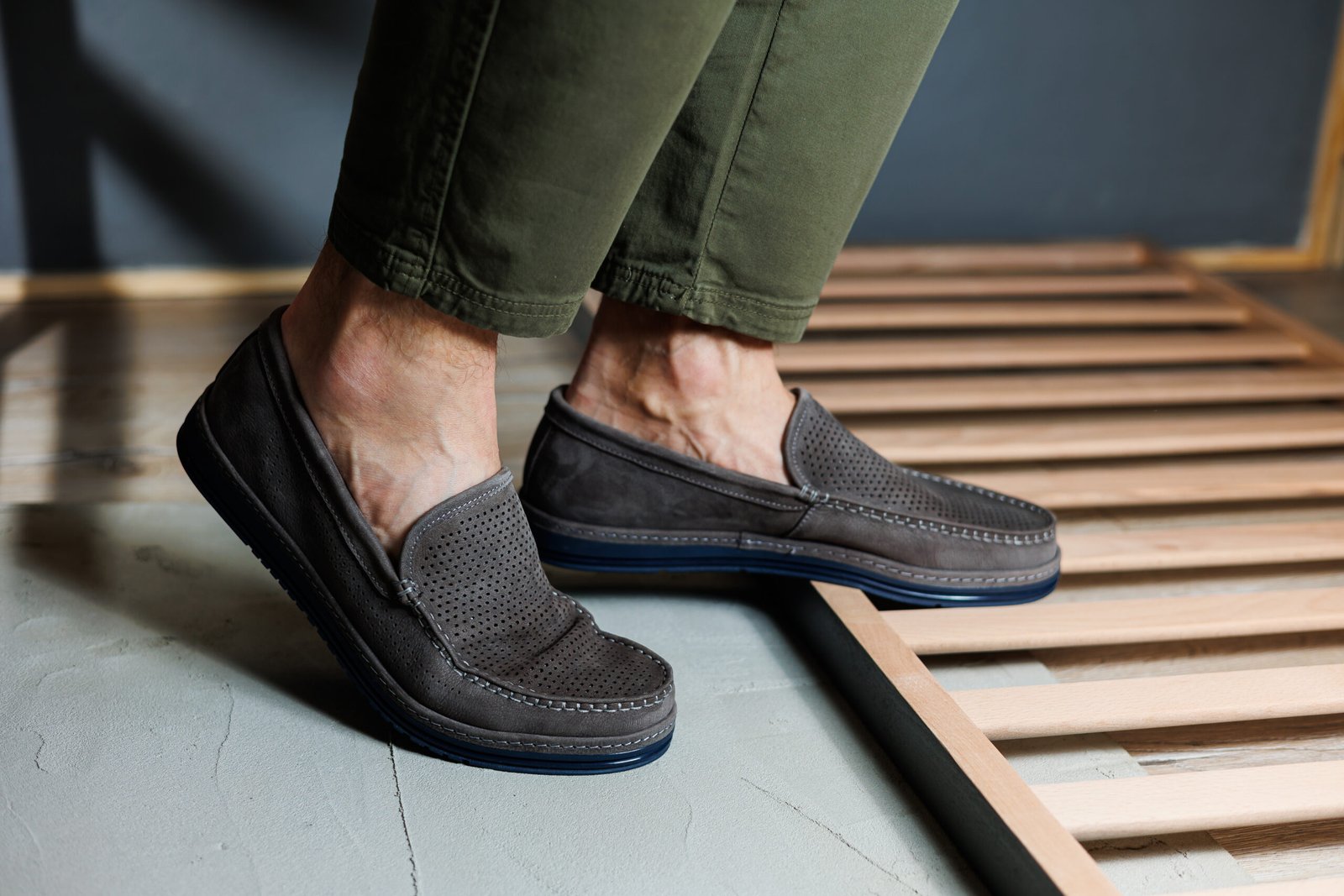
Loafers made from soft leather work well for smart-casual outfits, especially when they have a relaxed structure.
Slip-ons offer convenience and comfort for everyday use, particularly when they include stretch panels.
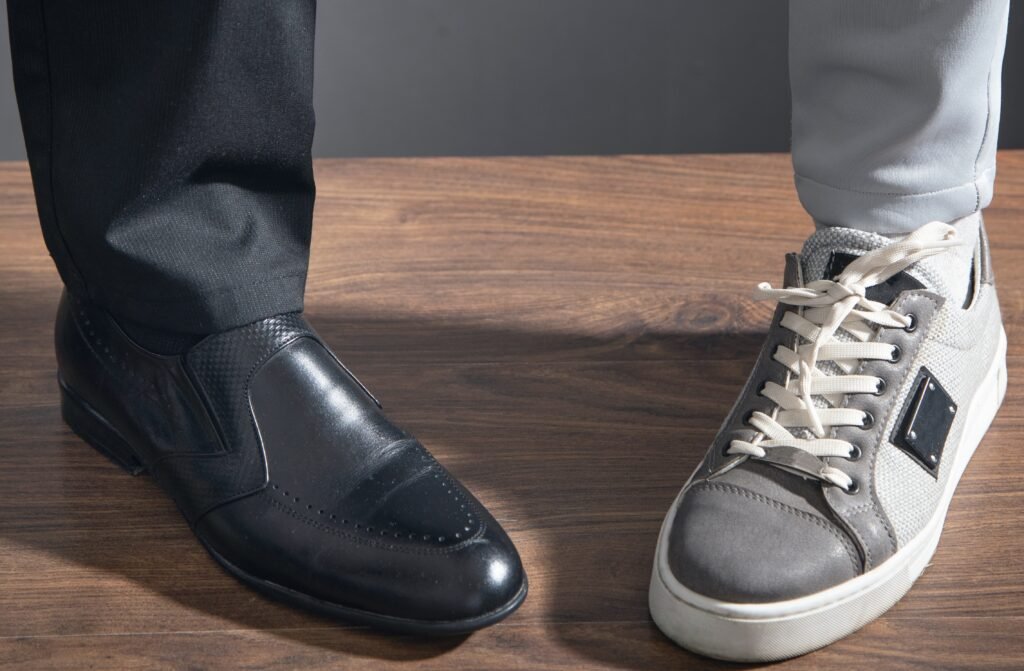
Casual derby shoes are ideal when you want a polished look without sacrificing fit. When considering sneakers for travel, opt for versatile pairs that combine comfort with style, perfect for long days on your feet.
How Should Casual Shoes Fit for Wide Feet?
I always recommend trying shoes later in the day when your feet are slightly swollen. This gives a more realistic fit.
Your toes should have room to move without touching the sides. The midfoot should feel secure but not tight. The heel should stay in place without slipping.
If you feel pressure immediately, the shoe is not the right fit.
Common Mistakes to Avoid When Buying Casual Shoes
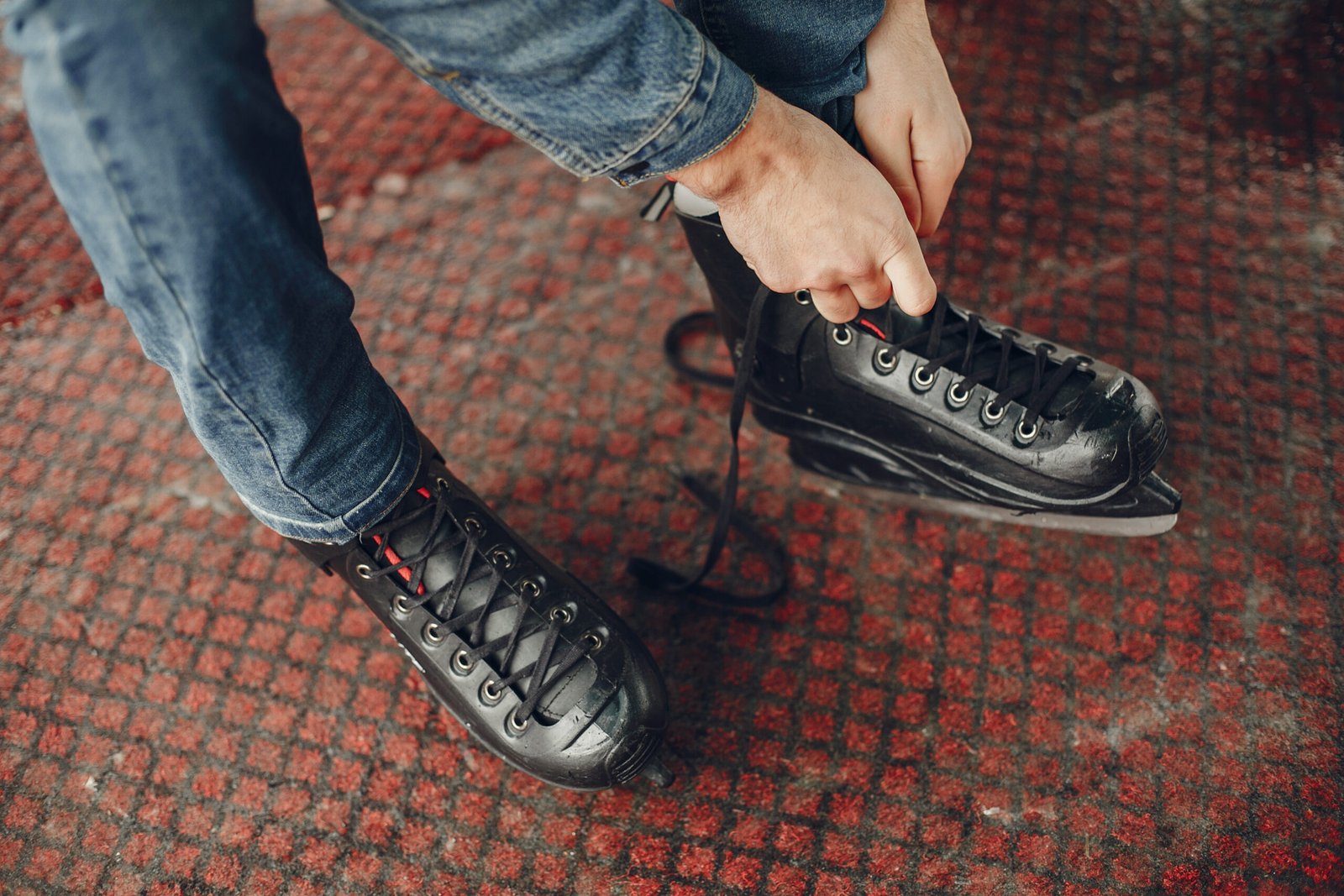
One mistake I made early on was choosing a larger size instead of a wider fit. This created instability and didn’t solve the width issue.
Another mistake is ignoring toe shape. Even wide shoes can feel tight if the front tapers too much.
Finally, many people overlook construction details like outsole width and material flexibility. These small factors make a big difference in long-term comfort and the effect of shoe type on your overall hiking experience.
Frequently Asked Questions (FAQs)
1. What are the best casual shoes for wide feet men for daily wear?
The best casual shoes for wide feet men combine wide sizing, anatomical toe boxes, and flexible uppers to ensure comfort and stability throughout the day.
2. Are wide shoes better than regular shoes?
If you have wide feet, yes. They prevent compression, improve balance, and reduce long-term foot strain.
3. Should I size up or choose a wide width?
Always choose a wide width. Sizing up increases length, not width, and leads to poor fit.
4. What is the most important feature for wide feet?
The toe box. If your toes can’t spread naturally, no other feature will fully fix the discomfort.
What Changed Everything for Me
Once I stopped chasing styles and started focusing on structure, everything improved.
Comfort lasted longer. My posture felt better. Even my outfits looked more balanced because I wasn’t forcing bulky or ill-fitting shoes into my wardrobe.
Finding the right pair of best casual shoes for wide feet men isn’t about trial and error anymore. It’s about understanding how shoes should actually work with your feet.