Before you even take your first step on a trail, you’ve already made the most important decision—what’s on your feet.
That choice quietly controls everything. How stable you feel on uneven ground. How long you can walk before fatigue sets in. Even whether your first hike feels exciting or exhausting.
If you’re looking for the best hiking shoes for beginners, the goal isn’t to find the most popular option. It’s to find the one that matches how and where you’ll actually hike.
In this blog, I’ll show you how to make that decision quickly and correctly, so your first experience on the trail feels natural, comfortable, and something you’ll want to repeat.
Key Takeaways Before You Buy
Most beginners overcomplicate this decision, so here’s the simplified version.
- Choose shoe type based on terrain, not style
- Prioritize comfort from day one—no break-in pain
- Look for proper grip depending on trail conditions
- Make sure your fit prevents toe impact and heel slip
- Decide between breathable or waterproof based on climate
How Do I Choose the Best Hiking Shoes for Beginners?
Here’s where things become practical. Instead of guessing, I follow a simple system that works every time.
Should Beginners Choose Hiking Shoes or Boots?
When I started, I thought boots were the safest option. In reality, they felt heavy and restrictive.
Low-cut hiking shoes are ideal for beginners. They’re lightweight, flexible, and perfect for day hikes on maintained trails. They let your ankles move naturally, which reduces fatigue over time.
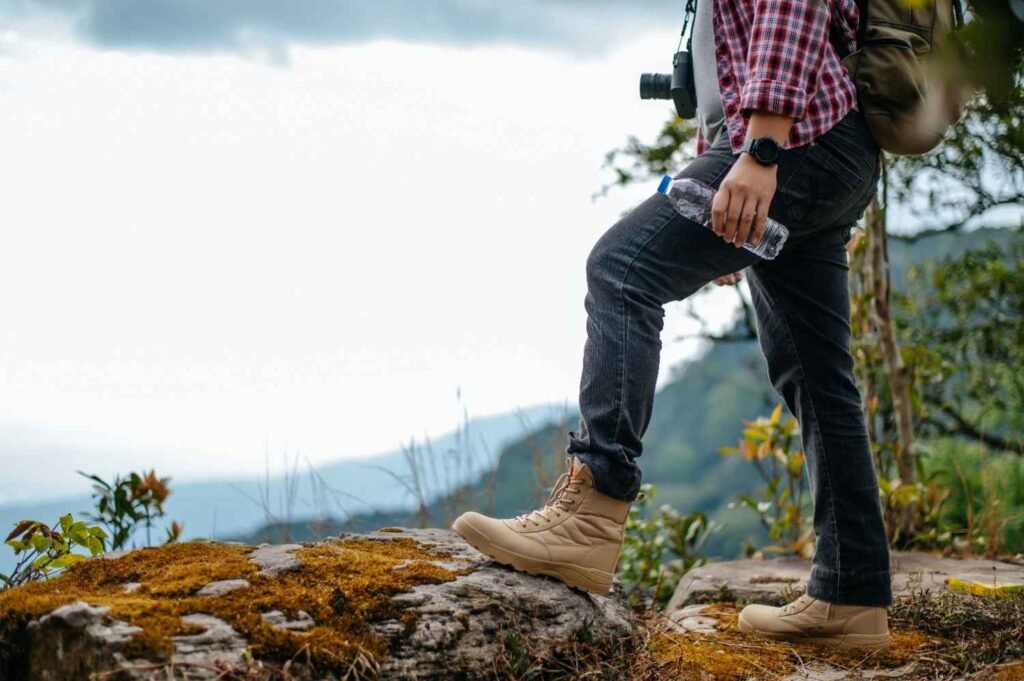
Mid or high-cut hiking boots make more sense if you’re dealing with uneven terrain or carrying extra weight. They add ankle stability but also increase bulk.
For most first hikes, hiking shoes win.
Why Is Out-of-the-Box Comfort So Important?
This is something I wish I understood earlier.
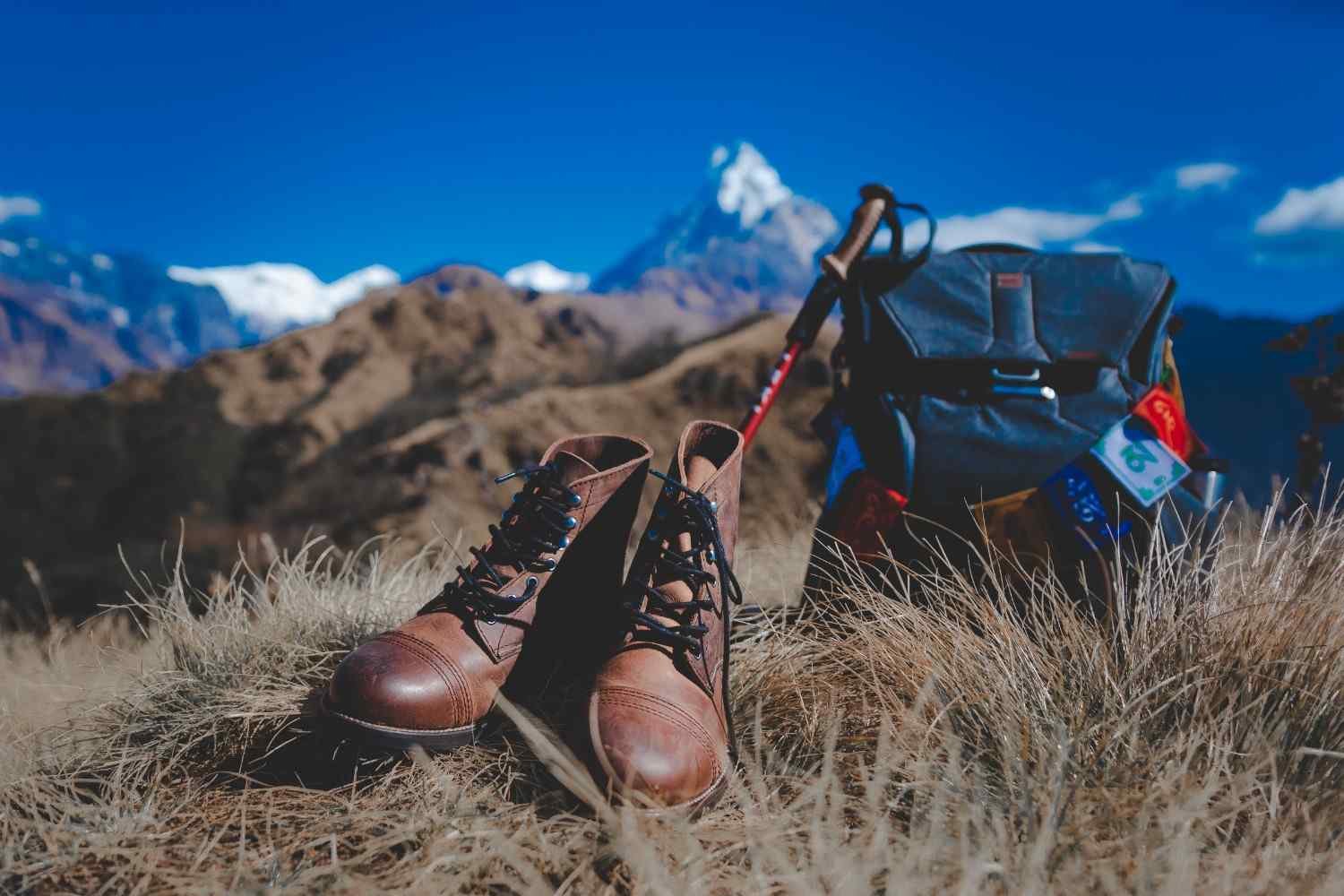
Many traditional hiking boots, especially leather ones, require a long break-in period. That means blisters, discomfort, and frustration during your first few hikes.
Instead, I always recommend synthetic or mesh-based shoes for beginners. They feel soft immediately and adjust faster to your feet.
Comfort on day one matters more than long-term durability when you’re just starting.
What Kind of Grip Do Beginners Actually Need?
If you flip a hiking shoe over, you’ll see the lugs. These patterns tell you how the shoe will behave on the trail.
Deeper, spaced-out lugs work better for loose dirt and muddy trails. They dig in and prevent slipping.
Shallower lugs perform better on flat, hard surfaces like rock or packed trails. They provide consistent contact and balance.
Most beginners should aim for a balanced outsole that handles both conditions without over-specializing. When choosing between leather vs synthetic shoes, which is better often depends on the conditions you’ll be hiking in and your personal preference for durability versus lightweight flexibility.
How Should Hiking Shoes Fit for Beginners?
Fit is the one thing you can’t compromise on.
I always follow a simple rule. There should be about half an inch of space in the toe box. This prevents your toes from hitting the front when walking downhill.
Your heel should stay locked in place. If it lifts while walking, you’ll likely end up with blisters.
Another tip that changed everything for me is trying shoes on later in the day. Your feet naturally swell, and this gives you a more accurate fit.
Should You Choose Waterproof Hiking Shoes?
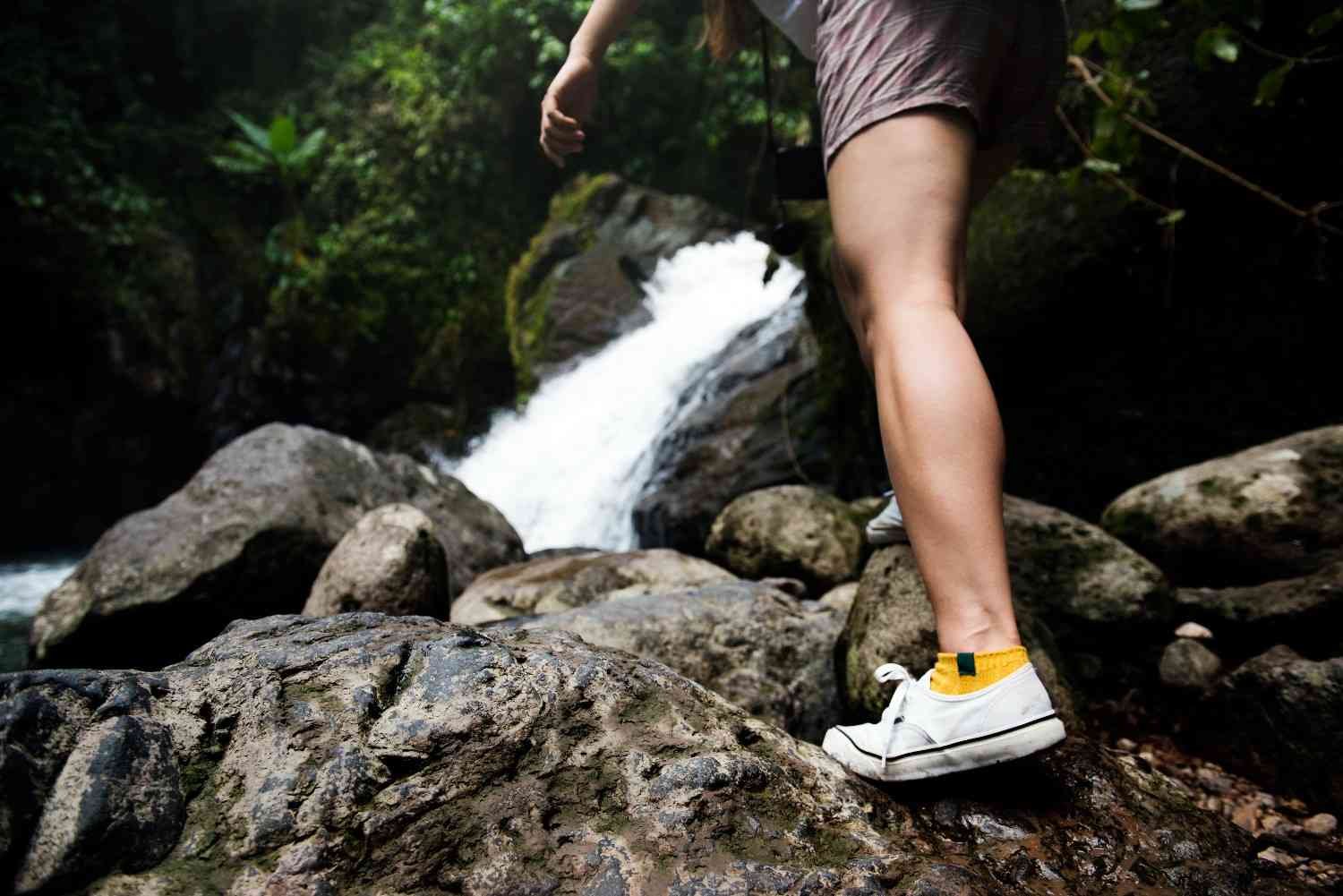
This depends entirely on where you hike.
Waterproof shoes are great for wet trails, light rain, or early morning hikes with dew. They keep your feet dry but can trap heat.
Non-waterproof shoes are more breathable and comfortable in warm weather. They dry faster if they get wet, which makes them ideal for summer hikes.
I usually recommend breathable shoes unless you know you’ll be hiking in wet conditions regularly.
Hiking Shoes vs Trail Runners: What Works Better for Beginners?
This is a question I hear often.
Trail runners are lighter and more flexible, which makes them extremely comfortable. They’re great for short hikes and well-maintained trails.
Hiking shoes offer more structure and protection. They handle uneven terrain better and provide more stability.
If your hikes are easy and short, trail runners can work. If you want more support and durability, hiking shoes are the safer choice.
Can Beginners Use Regular Sneakers for Hiking?
I’ve tried it, and it works—but only in limited situations.
If the trail is flat, dry, and predictable, sneakers can get you through. But once you encounter rocks, slopes, or uneven ground, they fall short.
They don’t provide enough grip or support, and that’s where injuries or discomfort start.
That’s why investing in the best hiking shoes for beginners makes a noticeable difference from your very first hike.
What Mistakes Should Beginners Avoid When Buying Hiking Shoes?
Most beginners don’t fail because of the trail—they fail because of poor choices before the hike even starts.
The biggest mistake is choosing shoes based on appearance instead of function. Another common issue is buying stiff boots that require long break-in periods.
Ignoring fit is another major problem. Even a great shoe won’t work if it doesn’t match your foot shape.
And finally, many people don’t match their shoes to the terrain. A shoe designed for smooth trails won’t perform well on rocky paths.
How Long Do Hiking Shoes Last for Beginners?
Most hiking shoes last between 300 to 500 miles depending on how often you hike and the type of terrain.
I usually keep an eye on the outsole. Once the tread wears down, grip decreases, and that’s when I know it’s time for a replacement.
For beginners who hike occasionally, a good pair can easily last a couple of years.
Best Hiking Shoes for Beginners: Final Buying Advice
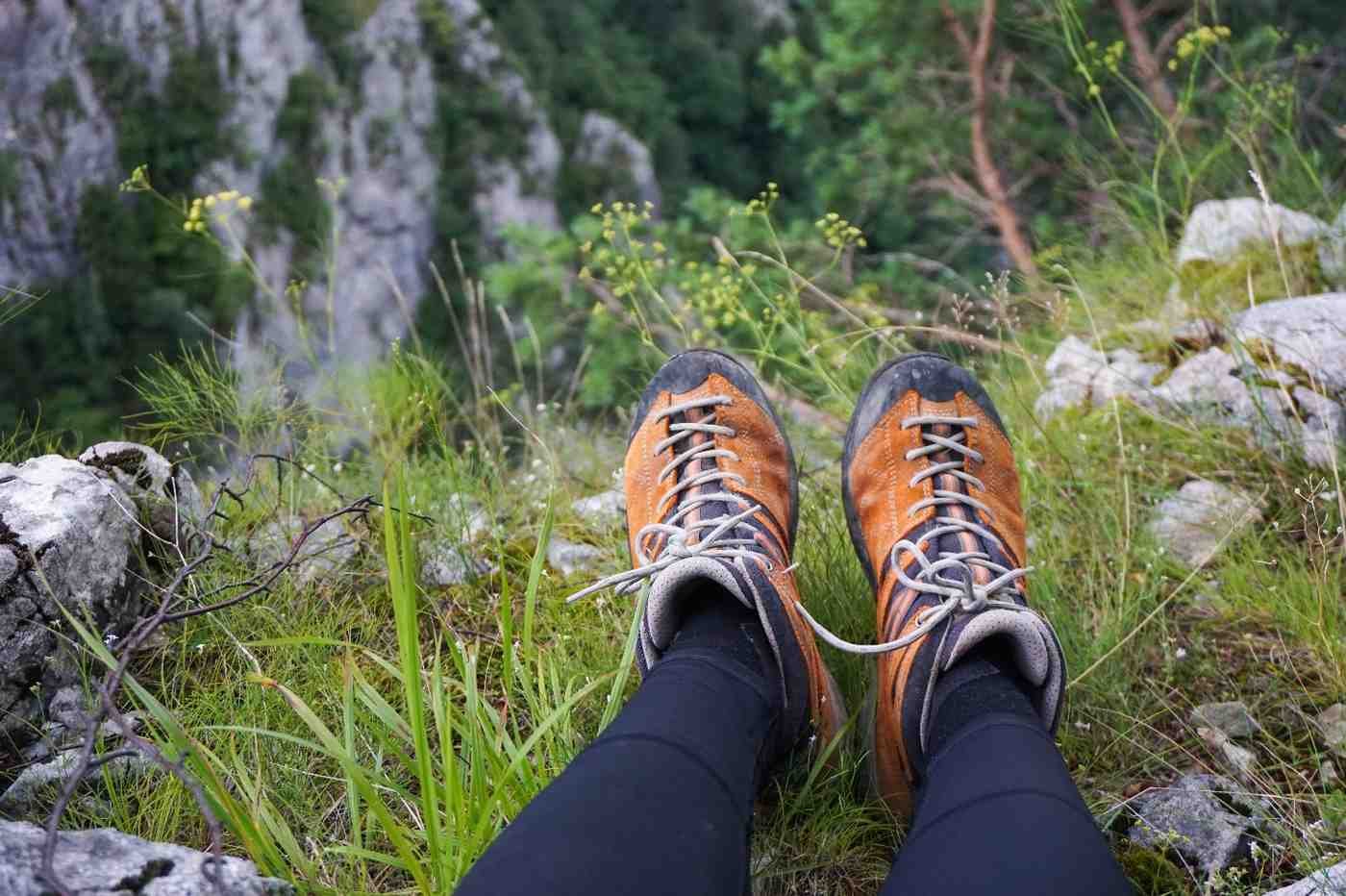
If I had to simplify everything into one piece of advice, it would be this.
Don’t chase brands. Focus on how the shoe feels, how it fits, and how it performs on the type of trail you plan to hike.
The right pair of the best hiking shoes for beginners will make your hikes feel easier, more comfortable, and far more enjoyable.
And once you feel that difference, you’ll never go back.
Frequently Asked Questions (FAQs)
1. What are the best hiking shoes for beginners with wide feet?
Look for shoes with a wide toe box and flexible upper material. Proper fit prevents pressure points and improves comfort on longer hikes.
2. Do beginners really need hiking shoes or are sneakers enough?
Sneakers can work on easy trails, but hiking shoes provide better grip, stability, and protection, especially on uneven terrain.
3. How do I know if hiking shoes fit correctly?
There should be space in the toe box and no heel movement while walking. A snug but comfortable fit is ideal.
4. Are waterproof hiking shoes worth it for beginners?
They are useful in wet conditions, but breathable shoes are usually more comfortable for warm-weather hiking.
What Actually Matters Before You Hit the Trail
When I look back, the difference between a frustrating hike and an enjoyable one came down to a single decision—choosing the right shoes.
Start simple. Focus on comfort, fit, and traction. You don’t need perfection. You just need something that works for your first few hikes.
Once you get that right, everything else falls into place, and you can start reaping the many benefits of hiking, from improved fitness to stress relief.