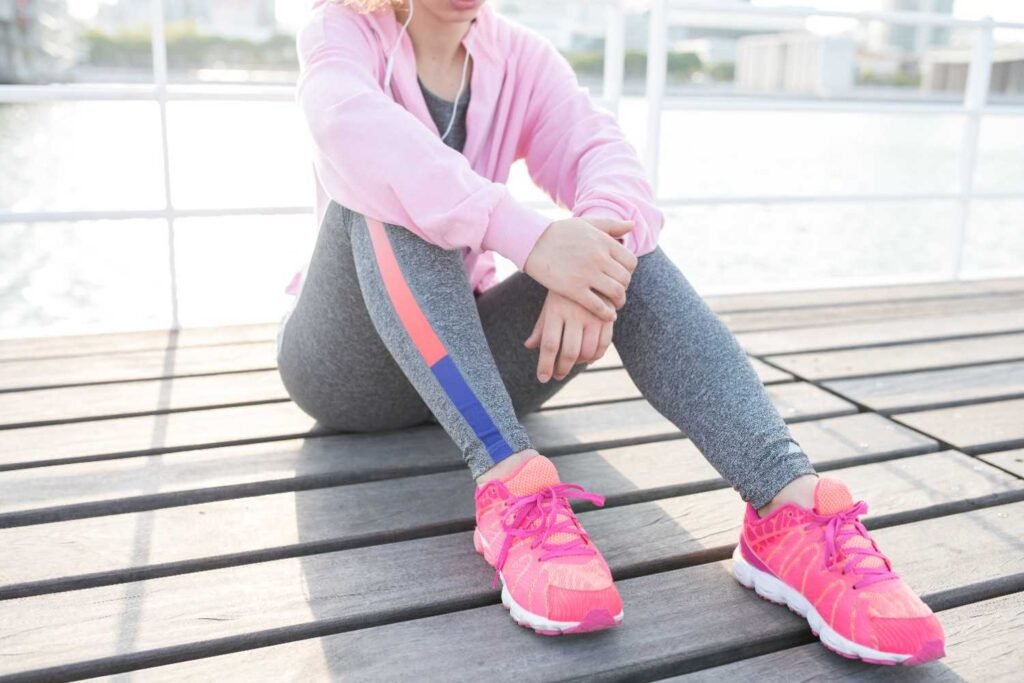
That sharp heel pain when you take your first step in the morning? I’ve felt it—and I ignored it longer than I should have. At first, I didn’t realize that choosing the best shoes for plantar fasciitis women could make such a big difference. I thought the pain would go away, but it only got worse.
The truth is, most shoes actually make plantar fasciitis worse without you realizing it. Once I focused on proper support and structure, everything changed. In this blog, I’ll show you exactly what worked for me and how to choose the best shoes for plantar fasciitis women so your feet finally start feeling better every day.
Why Your Heel Pain Isn’t Going Away (And What Fixes It)
I’ve been there—waking up and that first step feels like a sharp stab in your heel. If that sounds familiar, your shoes might be the problem.
The truth is simple: most shoes don’t support the structure your foot needs. And without that support, your plantar fascia keeps getting stressed instead of healing.
In this blog, I’ll show you exactly how to choose the best shoes for plantar fasciitis women, using both real-world experience and proven structural features that actually reduce pain.
What Makes the Best Shoes for Plantar Fasciitis Women?
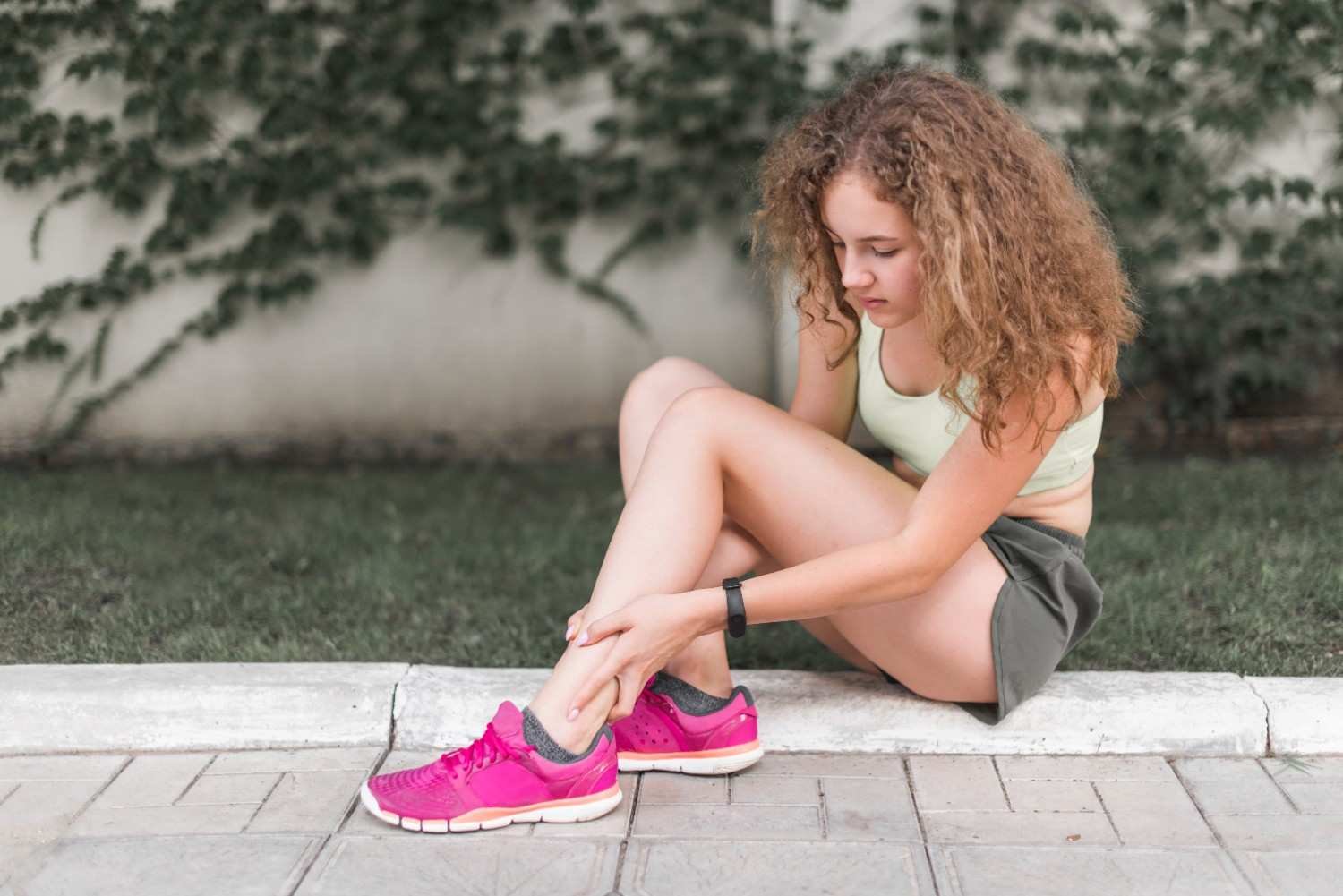
The best shoes aren’t about brand names—they’re about biomechanics.
Let’s break down the four features that truly matter.
Robust Arch Support That Stops Foot Collapse
When I first understood this, everything clicked. Your plantar fascia stretches every time your arch collapses.
A firm, built-in arch keeps your foot aligned and prevents overpronation. That alone reduces the constant micro-tearing that causes pain.
If a shoe feels flat under your foot, it’s working against you.
Rigid Heel Counter That Locks Your Foot in Place
Here’s something most people ignore: the back of your shoe.
A proper heel counter should feel stiff and structured. When I press on the back of a good shoe, it barely moves. That’s exactly what you want.
This design keeps your heel centered and prevents side-to-side movement. It also helps your natural heel padding absorb shock correctly.
Progressive Heel-to-Toe Drop That Reduces Tension
This is one of the most underrated features.
Shoes with a slight heel elevation (around 8–12 mm) reduce the stretch on your plantar fascia and Achilles tendon. That means less pulling on your heel with every step.
Flat shoes might look stylish, but they often make symptoms worse over time.
Controlled Flexibility (The Bend Test You Should Always Do)
Here’s a quick test I now use every time I buy shoes.
Try bending the shoe. It should only flex at the toes. If it folds in the middle or twists easily, it lacks structural integrity.
That kind of flexibility might feel comfortable at first, but it offers zero protection for an inflamed ligament.
The Biggest Mistake Most Women Make at Home
This surprised me the most.
Walking barefoot on hard floors puts maximum strain on your heel. The moment you step out of bed, your plantar fascia is tight and vulnerable.
Wearing supportive footwear immediately in the morning can make a noticeable difference in recovery speed.
Best Types of Shoes for Daily Relief and Recovery
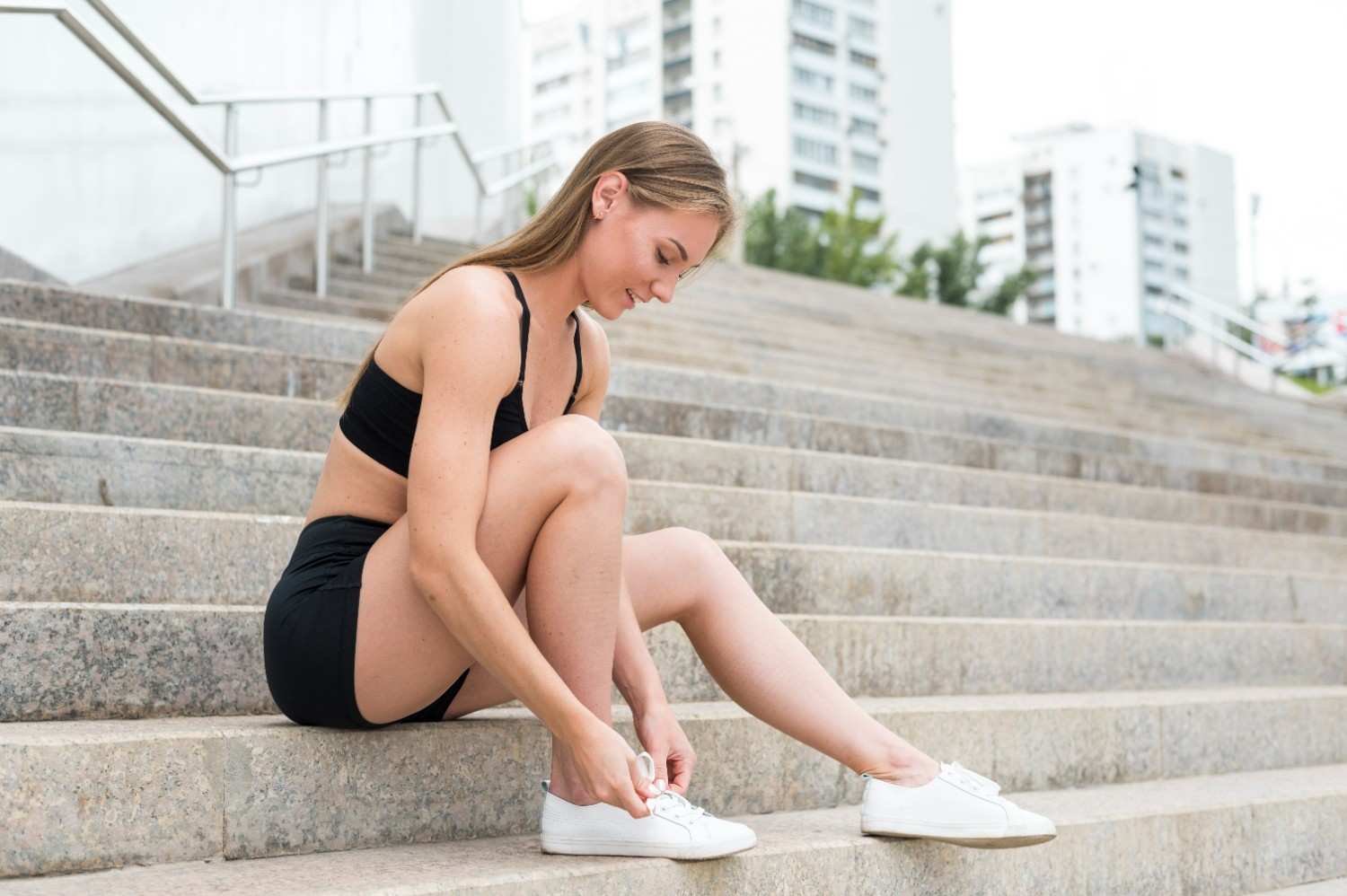
Walking Shoes for Consistent Support
If you’re on your feet a lot, walking shoes are your safest option. They provide balanced cushioning and structured support for long hours.
They work well for errands, travel, and everyday use.
Stability Running Shoes for Extra Control
Even if you don’t run, these are powerful.
They’re designed to control motion and prevent overpronation. That added stability reduces stress on your plantar fascia during movement.
Work Shoes for Standing All Day
If your job requires standing, you need durability plus support.
Look for shoes that maintain structure even after hours of use. This helps prevent pain buildup by the end of the day.
Supportive Sandals for Recovery Time
I used to avoid sandals completely, but that changed once I found supportive ones.
Good recovery sandals include arch support and cushioning, making them ideal for relaxing without stressing your feet.
How to Break In New Shoes Without Making Pain Worse
This is where many people go wrong.
Never wear new shoes all day immediately. Start slow. Give your feet time to adjust.
When I began easing into new pairs, my flare-ups dropped significantly.
When Should You Replace Your Shoes?
Shoes don’t last forever, even the good ones.
Once cushioning wears down or support weakens, your symptoms can return. Most shoes lose effectiveness after consistent use over time.
If you experience sudden heel pain, your shoes might be the reason.
How to Choose the Best Shoes for Plantar Fasciitis Women for Your Lifestyle
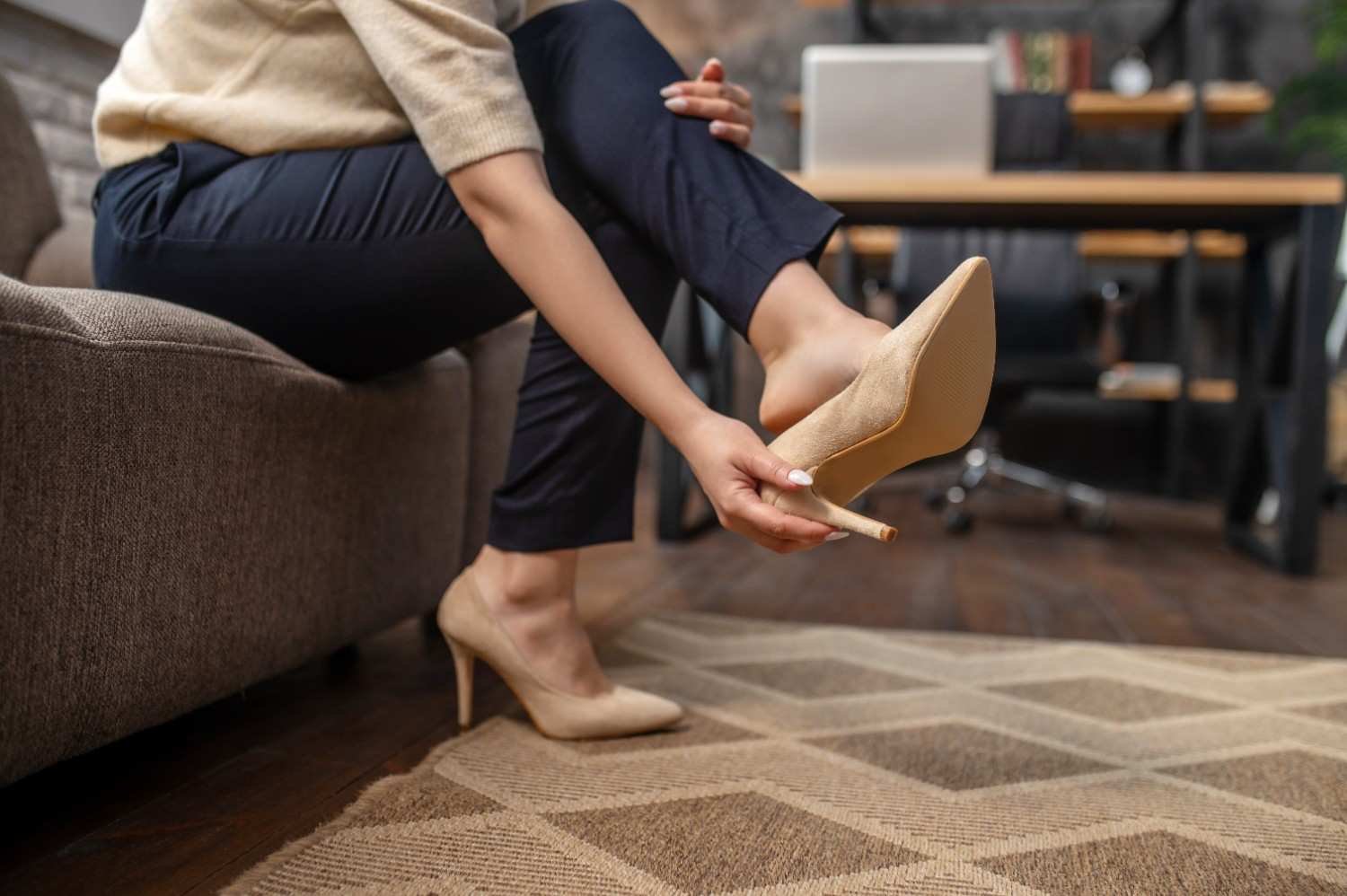
Not every day looks the same, and your shoes shouldn’t either.
You need pairs that work across your routine—walking, standing, and casual wear. I always prioritize comfort first, then versatility.
Neutral styles help you stay consistent without sacrificing your look.
That consistency is what actually supports long-term recovery.
FAQs About Best Shoes for Plantar Fasciitis Women
1. What are the best shoes for plantar fasciitis women?
The best shoes combine arch support, heel stability, proper drop, and controlled flexibility to reduce strain and improve comfort.
2. Are flat shoes bad for plantar fasciitis?
Yes, flat shoes increase tension on the plantar fascia and often worsen heel pain over time.
3. Can shoes really fix plantar fasciitis?
Shoes don’t cure it alone, but the right pair significantly reduces strain and supports healing.
4. Should I wear shoes all day at home?
Yes. Wearing supportive footwear, especially in the morning, helps reduce stress on your heel and speeds recovery.
What I’ve Learned After Fixing My Heel Pain
Once I stopped chasing trendy shoes and started focusing on structure, everything improved.
The biggest shift wasn’t buying expensive shoes—it was choosing the right features.
If you focus on support, stability, and proper design, you’ll naturally find the best shoes for plantar fasciitis women that actually work.
And when you do, every step starts to feel normal again. In addition, investing in the right walking shoes for women can make a world of difference in your daily comfort and long-term foot health.