

Boots belonged to chilly days, oversized coats, and fall leaves. The more I played with outfits, though, the more I realized boots can work almost all year when the shape, fabric, and styling feel right for the moment.
I wanted something practical, flattering, and easy to use in real life instead of a list of random outfit ideas that only look good in photos. The secret is not owning dozens of pairs. It is knowing how to style ankle boots, Chelsea boots, knee-high boots, and statement pairs with the right hems, layers, and proportions.
Once I figured that out, getting dressed became much easier. Boots Styling Tips for Every Season really comes down to balance, comfort, and smart outfit pairing.
Why Boots Work All Year
Boots stay relevant because they solve several outfit problems at once. They add structure, make simple clothes look more intentional, and help bridge the gap between seasons. A light ankle boot can sharpen a spring outfit, while a tall leather pair can ground winter layers and make them look polished instead of bulky.
They also work with pieces most people already own. Jeans, midi dresses, skirts, leggings, trousers, and even denim shorts can all pair well with the right boots. The trick is matching the visual weight of the boot to the rest of the look. A sleek boot feels better with softer or dressier pieces, while chunkier soles usually look best with relaxed denim, knits, or casual layers.
How To Style Boots In Spring
Spring outfits usually look best with lighter colors, softer fabrics, and cleaner lines. This is the season when I reach for ankle boots, slim Chelsea boots, and western-inspired pairs in suede or smooth leather.
They work beautifully with cropped jeans, straight-leg denim, shirt dresses, and flowy midi skirts. The easiest formula is a light knit, straight jeans, and ankle boots that show a little bit of the ankle or sock line. That small break keeps the outfit from looking heavy.
If I want something more polished, I pair sleek boots with a floral midi dress and a cropped jacket. It feels fresh without trying too hard. This is also a great time to play with cream, tan, taupe, soft gray, or muted brown boots instead of only defaulting to black.
How To Style Boots In Summer Without Looking Too Heavy

Summer styling works best when the rest of the outfit feels breathable and simple. I avoid thick layers and instead let the boots act as the statement piece. Short dresses, airy skirts, denim shorts, and relaxed shirt dresses are the easiest partners here. For a more casual twist, check out some chunky sneakers styling ideas that pair perfectly with these light, breezy outfits.
Western boots and low-cut ankle boots usually perform best in warm weather because they add personality without making the outfit feel closed off. I like balancing them with bare legs, lightweight fabrics, and a loose silhouette on top.
A cotton mini dress with mid-calf boots can look effortlessly styled when the colors stay clean and the accessories stay minimal. If the boots feel visually heavy, I lighten the outfit with softer tones or more leg exposure. That contrast keeps the outfit seasonally appropriate.
How To Style Boots In Fall For Easy Everyday Outfits
Fall is where boots naturally shine. This is the season for rich textures, darker denim, soft knits, and layered outfits that feel comfortable but still put together. Chelsea boots, combat boots, knee-high boots, and heeled ankle boots all fit easily into everyday dressing.
One of my favorite combinations is a fitted knit, straight jeans, and ankle boots with a longer coat or blazer. It always looks clean and timeless. For dresses, knee-high boots work especially well with sweater dresses and midi styles because they add coverage and shape without needing much else.
This is the season when color coordination matters more. Deep brown, black, burgundy, and olive pair well with denim, camel outerwear, and textured layers. Boots Styling Tips for Every Season become even more useful in fall because this is when small details like hem length and shaft height really affect the final look.
How To Style Boots In Winter Without Losing Shape
Winter outfits can get bulky fast, so I always focus on maintaining some structure. Tall boots with leggings or skinny pants create a long line under coats and oversized sweaters. Chunky ankle boots add edge to wide-leg trousers and thick denim, especially when the hem hits neatly above the top of the boot.
I also pay close attention to fabric and function. Leather, weather-ready finishes, and sturdy soles matter more now because style has to work alongside warmth and traction. A long wool coat with sleek knee-high boots instantly makes cold-weather dressing feel sharper.
If I am wearing puffer jackets or oversized layers, I like using more streamlined boots so the outfit still feels balanced. The easiest way to avoid a heavy look is to keep one part of the outfit fitted. That one move makes winter boot outfits look more intentional.
What Clothes Pair Best With Boots
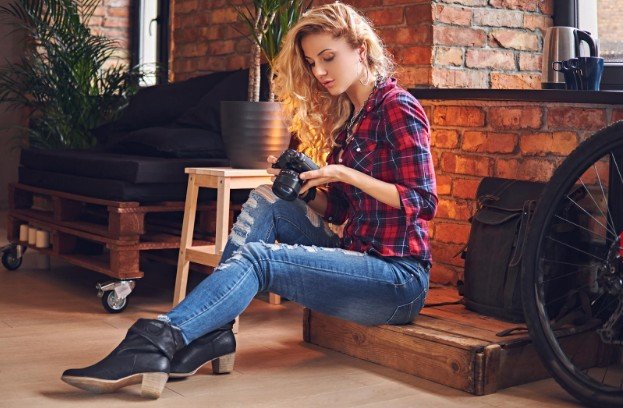
Jeans And Boots
Straight-leg jeans are the most flexible option because they work with ankle boots, Chelsea boots, and heeled styles. Cropped hems show the boot better, while full-length denim works best when it falls neatly over a slimmer shaft.
Dresses And Boots
Midi dresses pair especially well with boots because they create movement and coverage without looking stiff. Short dresses work best with taller boots or cowboy style boots when you want the boots to stand out more.
Skirts And Boots
Mini skirts often pair well with knee-high boots, while midi skirts look best with sleek ankle boots or fitted tall boots. The cleaner the skirt line, the more polished the result.
Trousers And Boots
Tailored trousers with pointed or slim boots create one of the most elevated combinations. This pairing works especially well for office-style outfits or dressier everyday looks.
Common Boot Styling Mistakes To Avoid
The biggest mistake I see is ignoring proportion. Heavy boots with heavy clothes can make an outfit feel weighed down. Another common issue is choosing the wrong hem length, especially when pants bunch awkwardly over the shaft or stop at an unflattering point.
Color can also make or break the outfit. A boot does not need to match everything exactly, but it should make visual sense with the rest of the look. Finally, do not underestimate comfort. If boots pinch, slip, or feel unstable, they usually ruin your posture and the outfit with it.
Frequently Asked Questions
1. What are the best Boots Styling Tips for Every Season?
Focus on proportion, choose the right boot height for the outfit, and match heavier boots with structured pieces while using lighter boots with airy fabrics.
2. Can I wear ankle boots with dresses year-round?
Yes. Ankle boots work with minis, midis, and sweater dresses as long as the dress shape and boot weight feel balanced together.
3. Which boot color is easiest to style?
Black is the most versatile, but tan, brown, and taupe are often just as useful depending on your wardrobe.
My Final Take On Styling Boots Well
Once I stopped treating boots like a one-season item, my outfits became much easier to build. I could repeat my favorite dresses, jeans, and layers in new ways just by changing the boot shape and height. That is why Boots Styling Tips for Every Season matter so much. They help you get more from what you already own while making everyday outfits look sharper, smarter, and more complete.
The best boot outfits never feel forced. They look balanced, comfortable, and natural for the weather and your personal style. When I keep that in mind, boots stop feeling tricky and start feeling like the easiest piece in my closet.