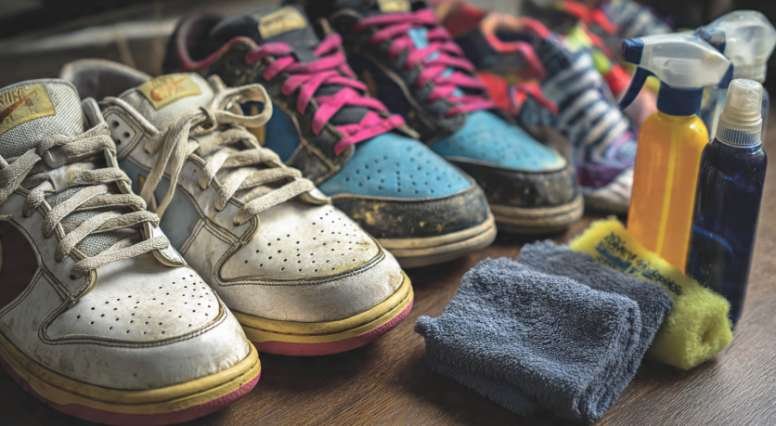
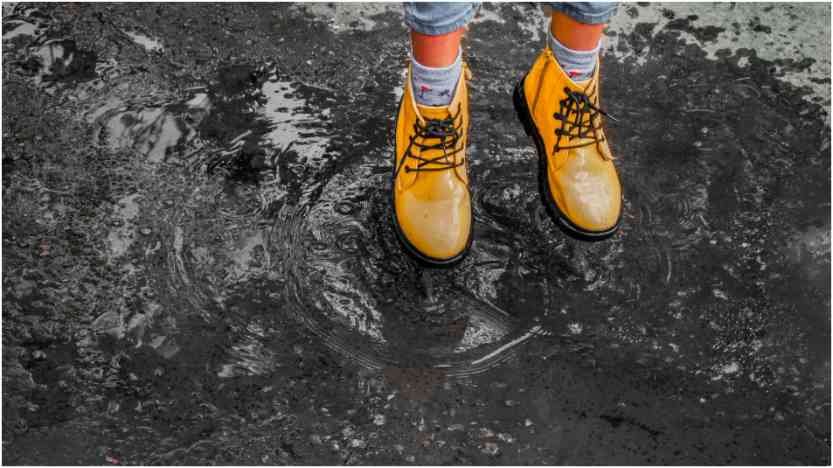
We’ve all been there: caught in a sudden downpour, or trekking through muddy trails, wishing we had a reliable way to keep our shoes dry. Whether it’s your favorite sneakers, boots, or hiking shoes, waterproofing is the ultimate solution to ensure your shoes last longer and stay in top shape.
In this guide, I’ll show you how to waterproof shoes with simple methods anyone can do. Plus, I’ll address some common concerns and share tips that might just surprise you!
Key Takeaways:
- Waterproofing sprays are easy and quick, but reapply often.
- Wax treatments offer a more durable waterproof barrier.
- Clean shoes before applying any waterproofing solution to ensure effectiveness.
- Make sure to choose waterproofing methods suitable for your shoe material.
- Apply waterproofing agents in a well-ventilated area and avoid heat.
How Can I Waterproof My Shoes?
The answer to this question depends on the type of shoes you have and the level of waterproofing you need and condition your leather shoes. While there are several ways to waterproof shoes, I’ve found the best methods to be sprays and wax. Let’s break them down!
What Are Waterproofing Sprays?
Waterproofing sprays are probably the quickest and most convenient way to protect your shoes from the elements. They work well for most everyday shoes, including sneakers, canvas shoes, and even synthetic materials. But, you might be wondering, how exactly do you use them?
Here’s a quick guide to applying waterproofing sprays:
- Clean your shoes: Remove any dirt, dust, or grime from the shoes. I recommend using a damp cloth or shoe cleaner to wipe them down. Make sure to let them dry completely before you start applying any spray.
- Test for discoloration: Always test the spray on a small, hidden area (like the inside of the tongue) to make sure it doesn’t affect the color or texture of your shoes.
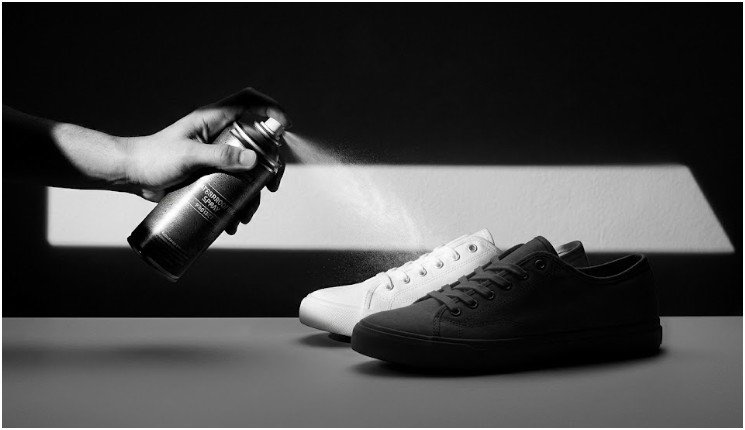
- Apply evenly: Hold the spray can about 6–8 inches away from your shoes. Apply a light, even mist over the surface, paying extra attention to seams, as these are where water tends to sneak in.
- Let them dry: After spraying, allow your shoes to air dry for at least 24 hours. Avoid using a hairdryer or heat source to speed up the drying process, as it can damage the waterproofing agent.
Waterproofing sprays are a great option for sneakers and everyday shoes, but keep in mind they need to be reapplied regularly, especially if you wear them in heavy rain or snow.
Is Wax Waterproofing Better for Certain Shoes?
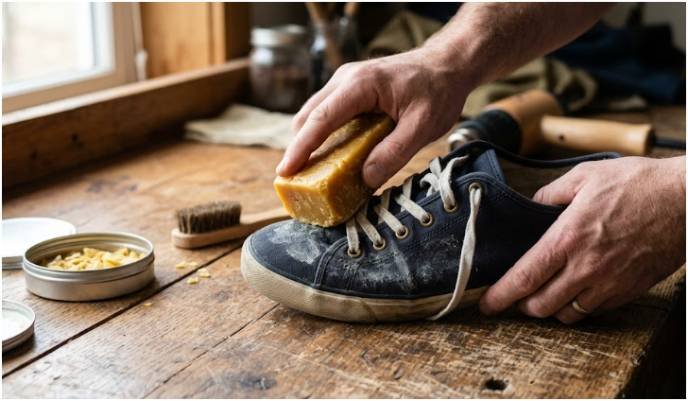
Waxing is another great method, especially if you’re looking for something more durable. It works well for canvas shoes and boots, providing a strong, long-lasting waterproof barrier. Plus, waxing is a perfect method for people who prefer natural alternatives to sprays.
Here’s how to use wax to waterproof your shoes:
- Clean your shoes thoroughly: Start by removing the laces and ensuring your shoes are dirt-free. Wax will trap any dirt left behind, so a clean surface is essential.
- Rub the wax on: Use beeswax or a paraffin candle to rub a thick layer of wax onto your shoes, like you’re coloring in a drawing. Apply it evenly over the surface.
- Melt the wax: To help the wax absorb into the fabric, use a hairdryer on high heat. The wax will melt and seep into the fibers, creating a waterproof seal.
- Let the wax set: Once the wax is absorbed, let your shoes cool. The wax will harden and leave a protective, water-resistant layer on the shoes.
Waxing provides a longer-lasting waterproof barrier, but it’s best for rugged shoes like hiking boots and canvas shoes. It’s a more permanent solution compared to sprays, but it requires a bit more time and effort.
How Do I Waterproof Leather Shoes?

Leather shoes need a different treatment compared to canvas or synthetic footwear. Using a specialized leather waterproofing cream or conditioner that contains natural oils will keep your leather shoes both waterproof and supple. Apply the product in thin layers, gently massaging it into the leather, and allow the shoes to dry naturally.
What About Hiking Boots?
Hiking boots often feature breathable membranes like Gore-Tex, which are designed to keep water out while allowing sweat to escape. These boots require specialized “proofing” sprays that maintain the breathability of the material while waterproofing it.
Before applying a waterproofing agent, always check the care instructions for your boots. Some hiking boots may require specific treatment to maintain their breathability and waterproofing features.
How To Waterproof Shoes
If you’re ready to protect your shoes, here’s a step-by-step guide to waterproof them properly. For this example, we’ll use the spray method for sneakers:
- Clean your shoes thoroughly: Remove the laces and wipe your shoes down with a damp cloth to get rid of dirt and dust. Let them dry completely before proceeding.
- Test for discoloration: Spray a small amount of the waterproofing agent on a hidden area, such as inside the shoe or under the tongue. Wait 30 minutes to check for any discoloration.
- Apply the waterproofing spray: Hold the can 6–8 inches away from the shoe and apply an even coat over the entire shoe, focusing on the seams.
- Let them dry: Allow your shoes to air dry for at least 24 hours. Do not use heat to speed up the drying process.
- Reapply if needed: Depending on the wear and tear your shoes go through, you may need to reapply the waterproofing spray after a few weeks of regular use.
It’s that simple! Whether you choose a spray or wax, waterproofing your shoes is an essential step to prolonging their life and keeping your feet dry during all kinds of weather.
FAQ Section
1. Can I use regular wax to waterproof my shoes?
Yes! Beeswax and clear paraffin candles are both excellent choices for waterproofing canvas and textile shoes. However, avoid using standard wax on suede and nubuck materials.
2. How often should I reapply waterproofing sprays?
Typically, you’ll want to reapply waterproofing sprays every few weeks or after your shoes have been exposed to heavy rain or mud. If you walk in wet conditions often, consider reapplying more frequently.
3. Will waterproofing sprays affect the look of my shoes?
If applied correctly, waterproofing sprays should not affect the appearance of your shoes. Always test a small, hidden area first to ensure there are no discoloration issues.
4. Are there any shoes that shouldn’t be waterproofed?
Yes, delicate materials like suede and nubuck should not be waterproofed with standard wax or spray. Instead, opt for specific suede-friendly sprays.
Waterproof Shoes Like a Pro: My Personal Tip
You’ve now learned how to waterproof shoes using both sprays and wax. My personal tip? Keep your shoes clean before applying any treatment, as dirt can prevent waterproofing agents from working properly.
I also recommend using a combination of both methods – wax for durability and spray for quick reapplication – to maximize protection. That way, you’re always ready to face the rain, mud, or any outdoor adventure!