Somewhere between buying another pair of sneakers and reading about climate change, the thought starts to linger. The idea of why people switch to sustainable footwear often begins with a simple realization that everyday choices have long-term consequences. It is not just about fashion anymore. It is about aligning what we wear with what we believe, and that shift feels more personal than expected.
Key Takeaways
- People switch to sustainable footwear for environmental, ethical, and health reasons
- Awareness of pollution and waste is a major trigger for behavior change
- Consumers now value durability, comfort, and transparency
- Emotional drivers like guilt and identity influence decisions
- Sustainable footwear is becoming a lifestyle choice, not just a trend
The Real Cost Of Traditional Footwear
Understanding the hidden impact is often where change begins.
Environmental Impact Awareness
The traditional footwear industry contributes nearly 1.4 percent of global greenhouse gas emissions. That number alone changes how people view their purchases. Shoes are no longer just accessories but contributors to a larger environmental problem.
Most conventional shoes are made from synthetic materials like plastic and petroleum-based compounds. These materials can take up to 40 years to break down in landfills. Once people learn this, the convenience of fast fashion starts to feel less appealing.
The Waste Problem People Ignore
Footwear waste is not as visible as plastic bottles, which makes it easier to ignore. But once awareness builds, it creates discomfort. That discomfort often becomes the first step toward making better choices.
Why People Switch To Sustainable Footwear Today
The shift is not random. It is driven by a mix of logic, emotion, and lifestyle changes.
Environmental Protection Matters
People are becoming more conscious about reducing their carbon footprint. Sustainable footwear uses materials like organic cotton, bamboo, recycled rubber, and plant-based leather. These options significantly lower environmental impact compared to traditional materials.
This awareness transforms buying habits. Instead of focusing only on style, people begin asking how their shoes are made and what happens to them after use.

Reducing Toxic Waste
Conventional shoe production often involves harmful chemicals and adhesives. These substances can leak into soil and water, affecting ecosystems.
Sustainable brands focus on safer alternatives such as waterless dyeing and chemical-free processes. This makes consumers feel they are contributing to a cleaner environment, which strengthens their commitment to switch.
Ethical Manufacturing Awareness
Another strong reason behind why people switch to sustainable footwear is the growing concern for fair labor practices. Many traditional factories lack transparency and safe working conditions.
Sustainable brands prioritize fair wages, ethical sourcing, and transparency. Knowing that a purchase supports responsible practices creates a deeper emotional connection with the product.
The Psychology Behind The Switch
Behavioral change is rarely just logical. It is deeply emotional and personal.

Identity And Values Alignment
People want their purchases to reflect their beliefs. Wearing eco-friendly shoes becomes a statement of identity. It shows that someone cares about the planet and ethical consumption. This alignment between values and actions creates satisfaction. It turns a simple purchase into something meaningful.
Guilt And Responsibility
Learning about environmental damage often creates a sense of responsibility. This feeling can lead to cognitive dissonance, where people feel uncomfortable continuing old habits.
Switching to sustainable footwear helps resolve that discomfort. It allows people to feel they are making better choices without sacrificing style or comfort.
Social Influence And Validation
Social media and peer influence play a major role. Seeing others embrace sustainable fashion normalizes the behavior. It also adds a sense of validation, making the switch feel like a smart and accepted choice.
Health, Comfort, And Quality Benefits
Sustainability is no longer just about ethics. It also improves personal well-being.
Better Materials For Health
Many sustainable shoes use natural and breathable materials. This reduces exposure to harmful chemicals and improves overall comfort.
Brands focusing on minimalist or barefoot designs also help strengthen foot muscles and improve posture. This adds a functional benefit that attracts health-conscious consumers.
Durability And Longevity
High-quality materials make sustainable footwear more durable. This reduces the need for frequent replacements, saving money in the long run. Consumers are shifting from quantity to quality. Instead of buying multiple cheap pairs, they prefer investing in one reliable pair.
Comfort Without Compromise
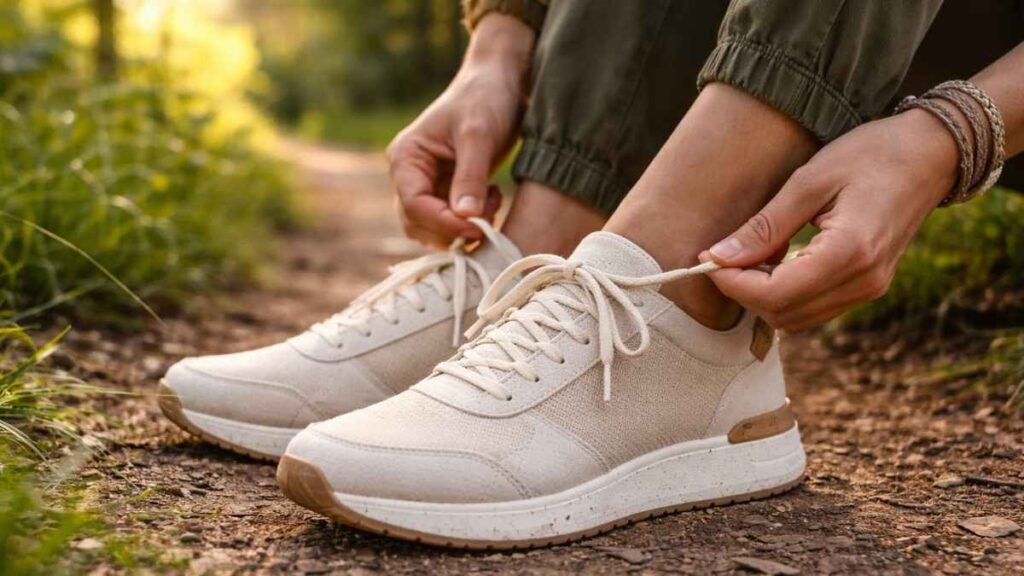
Modern sustainable footwear combines innovation with comfort. Lightweight designs, flexible soles, and breathable fabrics make them suitable for everyday use. This removes the old misconception that eco-friendly products require sacrificing performance.
Animal Welfare And Conscious Choices
Ethics extend beyond the environment to animal welfare.
Rise Of Vegan Footwear
Many consumers are moving away from leather and animal-based products. Sustainable footwear brands offer vegan alternatives made from plant-based materials like mushrooms and apples.
This shift reflects a broader movement toward cruelty-free living. It allows consumers to align their fashion choices with their ethical beliefs.

Emotional Satisfaction
Choosing cruelty-free products creates a sense of pride and fulfillment. This emotional reward reinforces the decision and encourages long-term commitment to sustainable habits.
Brands Leading The Change
Innovation and transparency are driving the industry forward.
Sustainable Leaders
Brands like Allbirds focus on natural materials such as wool and recycled plastics. Veja works with fair trade cooperatives and uses organic cotton and wild rubber.
These brands show that sustainability and style can coexist. They set new standards for the industry.
Big Brand Initiatives
Even major companies like Nike are investing in sustainability. Their Move to Zero initiative aims to reduce carbon emissions and waste through recycling programs. This shift from large brands signals that sustainable footwear is becoming mainstream.
How Can You Switch To Sustainable Footwear?
Switching is not about perfection. It is about making gradual, mindful changes.
- Start by understanding your current buying habits and identifying how often you replace shoes. This awareness helps you make more intentional decisions.
- Next, research brands that prioritize sustainability, focusing on transparency and material sourcing. Compare quality and durability instead of just price, as long-term value matters more.
- Gradually replace old shoes with sustainable options rather than discarding everything at once. Over time, these small changes become habits, making the transition feel natural and sustainable.
The Future Of Conscious Footwear
The shift toward sustainability is shaping the future of fashion.

Innovation And Materials
Advancements in plant-based materials and recycling technologies are making sustainable footwear more accessible. These innovations are improving both performance and affordability.
Consumer-Driven Change
Consumers now understand their power. Every purchase influences brands and industries. This awareness is accelerating the adoption of sustainable practices worldwide.
Frequently Asked Questions
1. Why did sustainable footwear begin?
Sustainable footwear began as a response to environmental damage and unethical manufacturing practices in the fashion industry.
2. What is the 3 shoe rule?
The 3 shoe rule suggests owning three versatile pairs to reduce overconsumption and simplify wardrobe choices.
3. Does wearing shoes help neuropathy?
Yes, supportive shoes can improve comfort and reduce pressure, which may help manage neuropathy symptoms.
4. What is the #1 shoe brand in the world?
Nike is widely recognized as the leading global shoe brand based on revenue and influence.
Walking Into A Better Future
Understanding why people switch to sustainable footwear shows that this is more than a passing trend. It reflects a deeper shift toward conscious living, better choices, and long-term thinking. As awareness grows and innovation continues, sustainable footwear is becoming the preferred choice for those who want style, comfort, and purpose in every step they take.