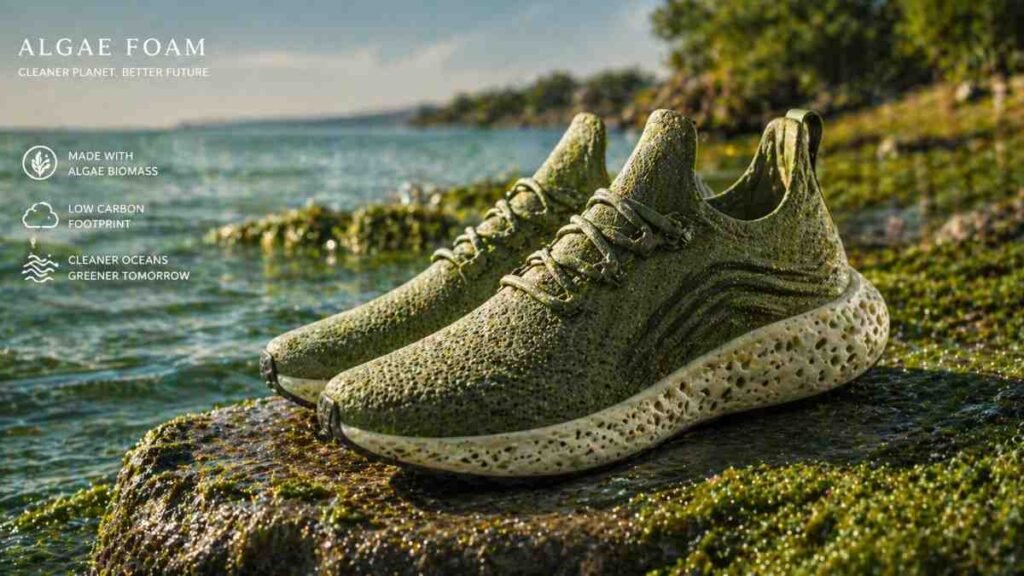
Ever wonder how shoes can help protect the planet while keeping your feet comfortable and stylish? Algae foam shoes are the future of sustainable footwear. By using algae—a resource that would otherwise harm the environment—these shoes are made from a high-performance foam that reduces pollution and minimizes plastic waste.
The unique material used in algae foam shoes, also known as Bloom Foam, is an eco-friendly alternative to petroleum-based foams like EVA (Ethylene Vinyl Acetate), commonly found in many footwear designs. If you’re curious about how these shoes are made and why they’re gaining so much attention, let’s take a deep dive into this exciting innovation.
What Is Algae Foam? The Eco-Friendly Material Behind Sustainable Footwear
At its core, algae foam is a sustainable alternative to traditional foams used in shoes. This innovative material is made by harvesting algae blooms from freshwater ecosystems. These blooms can be harmful to marine life and local environments.
But through a specialized process, this algae is transformed into a foam used for footwear. Algae foam is a bio-based material that helps solve environmental problems while providing durable and comfortable shoes.
Algae Harvesting Process
The first step in creating algae foam involves harvesting algae blooms from bodies of water. These blooms are typically caused by excess nutrients in the water and can lead to oxygen depletion or hypoxia, harming aquatic ecosystems.
Once collected, the algae is processed into a usable material. The algae is then dried and turned into a powder, which is transformed into pellets. These pellets are then mixed with other sustainable polymers to create the foam.
How Algae Foam Is Used in Shoes
After the algae has been processed into foam, it’s ready to be molded into shoe components. This foam is lightweight, flexible, and offers the same benefits as traditional foams, such as cushioning and durability. The final result is a high-performance shoe that’s both eco-friendly and comfortable for the wearer.
A Step Toward Sustainability
Why are algae foam shoes so important? The answer lies in their positive environmental impact. Traditional footwear often uses petroleum-based materials like EVA foam, which contribute to pollution and waste. Algae foam, however, is made from renewable resources and offers a much more sustainable option.
Environmental Benefits of Algae Foam
By using algae that would otherwise harm freshwater ecosystems, algae foam shoes help reduce pollution. The process of harvesting the algae not only cleans up toxic blooms but also provides a renewable source of material for manufacturing.
Each pair of algae foam shoes helps to remove harmful algae from lakes and reservoirs, and the material is biodegradable, unlike plastic-based foams that can take centuries to break down.
Performance and Comfort
Algae foam shoes aren’t just good for the planet—they’re also great for your feet. The foam offers natural cushioning and support, making it ideal for everyday wear. It’s lightweight yet durable, providing a comfortable fit that rivals traditional foam shoes. Whether you’re walking, running, or lounging, algae foam shoes offer the right balance of flexibility and support.
Bloom Foam: The Brand Leading the Charge
One of the most well-known innovators in algae foam technology is Bloom Foam. Bloom is a company dedicated to creating sustainable materials from algae, and their foam is used by numerous brands to create sustainable and eco-friendly footwear.
Bloom Foam is made by extracting algae biomass from harmful blooms, then processing it into a foam that is both high-performance and environmentally friendly.

The Role of Bloom Foam in Footwear
Bloom Foam is used in various types of shoes, from casual sneakers to outdoor footwear. Brands like Vivobarefoot and Adidas have incorporated Bloom Foam into their product lines, highlighting its versatility and sustainable qualities.
Bloom Foam not only helps reduce the environmental impact of footwear but also provides excellent durability, making it a popular choice for eco-conscious consumers.
How Are Algae Foam Shoes Made? Step-by-Step
Algae foam shoes are a perfect example of how innovative thinking can lead to sustainable solutions. Here’s a step-by-step breakdown of how algae foam shoes are made:

Step 1: Harvesting Algae Blooms
The process begins with harvesting algae from lakes, rivers, and other water sources. These algae blooms, which are typically harmful to aquatic life, are collected and prepared for further processing. By removing these blooms, manufacturers help improve the quality of the water and restore the local ecosystem.
Step 2: Processing the Algae
Once the algae is harvested, it is dried and ground into a fine powder. This powder is then turned into pellets, which are used as the base material for the foam. The pellets are mixed with other sustainable materials to create a flexible, lightweight foam that can be molded into various shoe components.
Step 3: Molding and Shaping
The final step involves molding the algae foam into shoe parts, such as midsoles, outsoles, and insoles. These foam components are then assembled into finished footwear, ready to be worn.
Algae Foam vs Traditional EVA Foam: What’s the Difference?
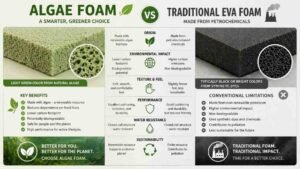
When comparing algae foam shoes to traditional footwear, one of the main differences is the material used. Traditional shoes often rely on EVA foam, a petroleum-based product, while algae foam is made from renewable algae.
Sustainability Comparison
Algae foam is far more sustainable than EVA foam, as it is made from a natural resource that can be replenished over time. In contrast, EVA foam is derived from fossil fuels, which are non-renewable and contribute to pollution.
Durability and Comfort
In terms of performance, algae foam offers similar, if not superior, comfort and durability compared to EVA foam. It provides natural cushioning and flexibility, making it suitable for various types of footwear, including athletic shoes and casual wear.
Popular Brands Using Algae Foam Shoes
Several well-known brands are incorporating algae foam into their footwear designs, helping to promote sustainable practices in the fashion industry. Here are some of the leading brands using algae foam:

Vivobarefoot: Pioneers of Algae Foam Footwear
Vivobarefoot is a trailblazer in the world of sustainable footwear. Their Ultra III Bloom shoes are made from algae foam, offering a lightweight, flexible, and eco-friendly option for those looking to reduce their environmental footprint.
Adidas: Yeezy Foam Runner
The Adidas Yeezy Foam Runner, a collaboration with Kanye West, uses algae-based foam in its construction. This high-fashion, eco-conscious shoe combines cutting-edge design with sustainability.
Other Notable Brands
In addition to Vivobarefoot and Adidas, other brands like Rothy’s, Hunter, and Toms are also using algae foam in their products. These brands are leading the way in creating footwear that’s both stylish and sustainable.
Algae Foam Benefits: Why Choose It for Your Footwear?
Algae foam shoes offer numerous benefits, making them a fantastic choice for eco-conscious consumers. Here’s why algae foam is the future of footwear:
1. Eco-Friendly Production
By using algae, a renewable resource, algae foam shoes help reduce the reliance on petroleum-based products. This not only minimizes pollution but also supports a more sustainable manufacturing process.
2. Comfort and Durability
Algae foam is lightweight yet durable, offering excellent cushioning and support. It provides the same level of comfort as traditional foam but with a much smaller carbon footprint.
3. Biodegradable Material
Unlike plastic-based foams, algae foam is biodegradable, meaning it won’t contribute to long-term pollution. This makes algae foam shoes an excellent option for those who want to reduce their environmental impact.
Frequently Asked Questions
1. Is algae good for your feet?
Yes, algae foam shoes are designed to be comfortable and breathable, providing excellent support for your feet.
2. Where is algae foam made?
Algae foam is made from algae harvested from freshwater bodies, such as lakes and reservoirs, where harmful algae blooms occur.
3. What shoes do podiatrists say not to wear?
Podiatrists recommend avoiding shoes with poor arch support or overly stiff soles, as they can lead to foot pain and discomfort.
4. Will algaecide foam go away?
No, algae foam is a sustainable material that helps address environmental issues, and it’s likely to remain a key player in eco-friendly footwear.
Step Into the Future: Algae Foam Shoes Are Here to Stay
Algae foam shoes represent a huge step forward in sustainable footwear. By using algae, a renewable and eco-friendly resource, these shoes help clean up the environment while offering the same comfort and durability as traditional foam materials. If you’re looking to make a positive impact on the planet without sacrificing style or comfort, algae foam shoes are the perfect choice.