By hour three, your feet start to ache. By hour six, your legs feel heavy. And by the end of your shift, you’re counting every step just to get home. I’ve been there—and the truth is, most people don’t realize the problem isn’t the job, it’s the shoes.
When I started looking for the best shoes for standing all day at work, I realized comfort alone isn’t enough. The right pair needs to support your body, reduce pressure, and actually help you get through long hours without feeling drained. Once I understood what really matters inside a shoe, everything changed—and that’s exactly what I’m going to break down for you here.
apses over time. This leads to strain and poor alignment.
Shoes with a contoured footbed or medial support help keep your foot in a neutral position. Models like the Brooks Ghost balance cushioning with support, which makes them reliable for long hours.
How Rocker Sole Geometry Reduces Effort
A rocker sole has a slight curve that helps move your weight forward with less effort. This reduces the workload on your calves and Achilles tendon.
I didn’t notice this feature at first, but once I tried it, standing and walking felt smoother and less tiring.
Why Heel Counter Stability Matters More Than You Think
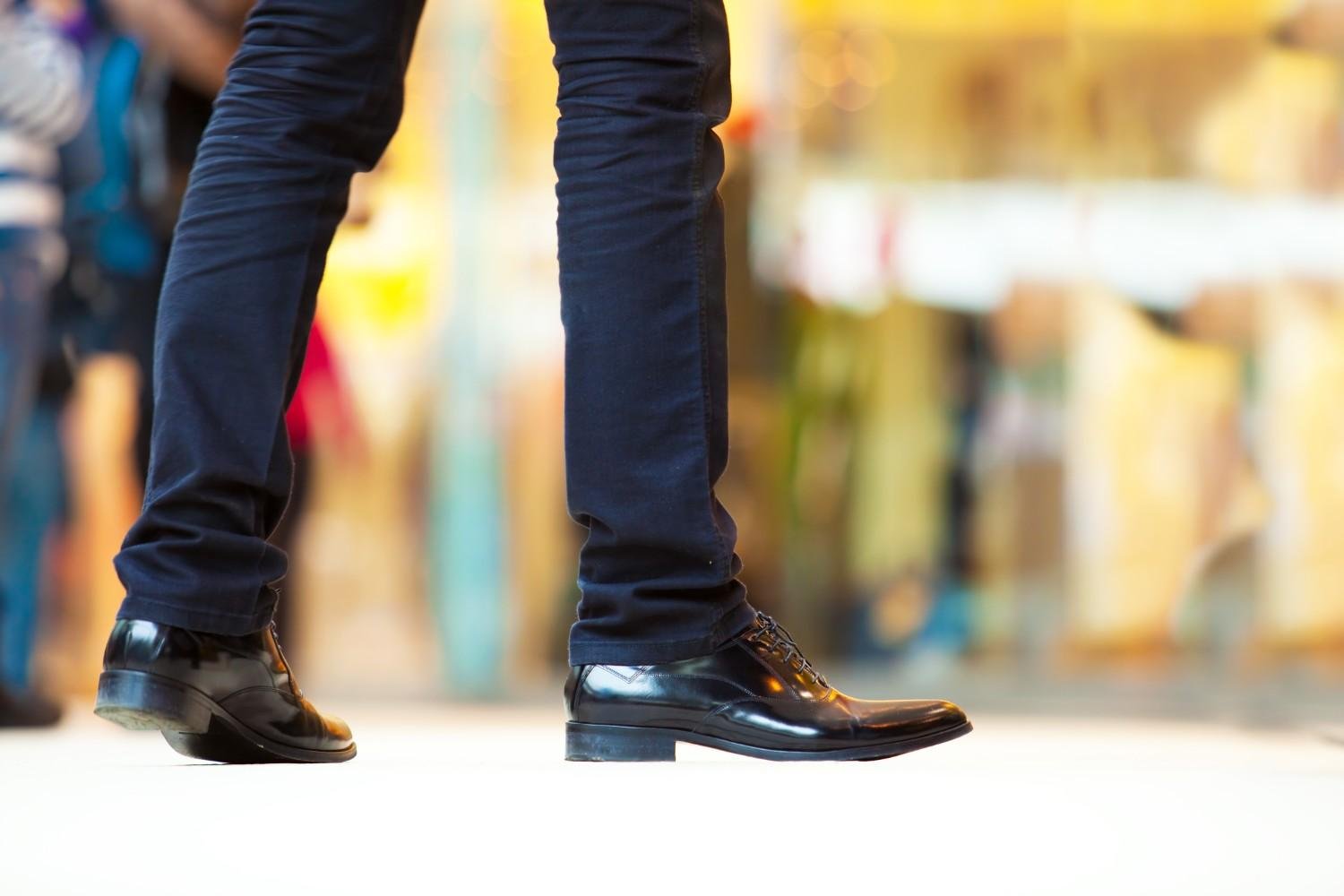
The heel counter is the firm structure at the back of the shoe. It keeps your foot locked in place and prevents side-to-side movement.
Without it, your foot works harder to stay stable, which increases fatigue. A strong heel counter keeps everything aligned and reduces strain over time.
Why Slip-Resistant Outsoles Are Essential for Work
If you work in healthcare, hospitality, or retail, grip matters. Slip-resistant soles use specialized tread patterns that improve traction on wet or polished surfaces.
This isn’t just about safety—it also reduces the small adjustments your body makes to stay balanced.
How Breathable Materials Keep You Comfortable All Day
Heat and moisture build up quickly when you stand for long periods. Breathable uppers, like engineered mesh or perforated leather, keep your feet cool and reduce irritation.
I’ve noticed that breathable shoes feel significantly lighter after several hours compared to closed, non-ventilated designs.
Best Shoes for Standing All Day Work by Job Type

Different jobs demand different features, and choosing based on your environment makes a noticeable difference.
For healthcare workers, maximum cushioning and stability matter most. Shoes like the Hoka Bondi 8 are often preferred because they handle long, demanding shifts well.
For retail or warehouse jobs, where movement is constant, energy return becomes more important. Shoes like the Adidas Ultraboost help reduce fatigue by returning energy with each step.
For hard surfaces like concrete, thick cushioning is essential. That’s where shoes like the Hoka Clifton 9 stand out again, providing a softer landing throughout the day.
Running Shoes vs Work Shoes for Standing All Day
From my experience, running shoes usually perform better for long standing hours. They are designed for continuous impact, which makes them more effective at reducing fatigue.
Work shoes are still necessary in environments that require safety features, but if your job allows flexibility, running shoes often provide a better overall experience.
How I Choose the Right Pair (My Practical Process)
When I look for a new pair now, I focus on how the shoe performs over time, not just how it feels initially. I check the cushioning to ensure it’s thick enough to absorb impact. Then I test the arch support by standing still for a few minutes. I also pay attention to stability, making sure the heel stays secure and the shoe doesn’t shift.
I also keep in mind what typically works for different foot types—for example, many of the best casual shoes for wide feet men tend to offer better toe box space and overall balance, which makes a noticeable difference during long hours.
Finally, I think about my work environment—floor type, movement level, and shift length. This approach has helped me avoid wasting money on shoes that don’t last through a full day.
Common Mistakes That Lead to Foot Pain
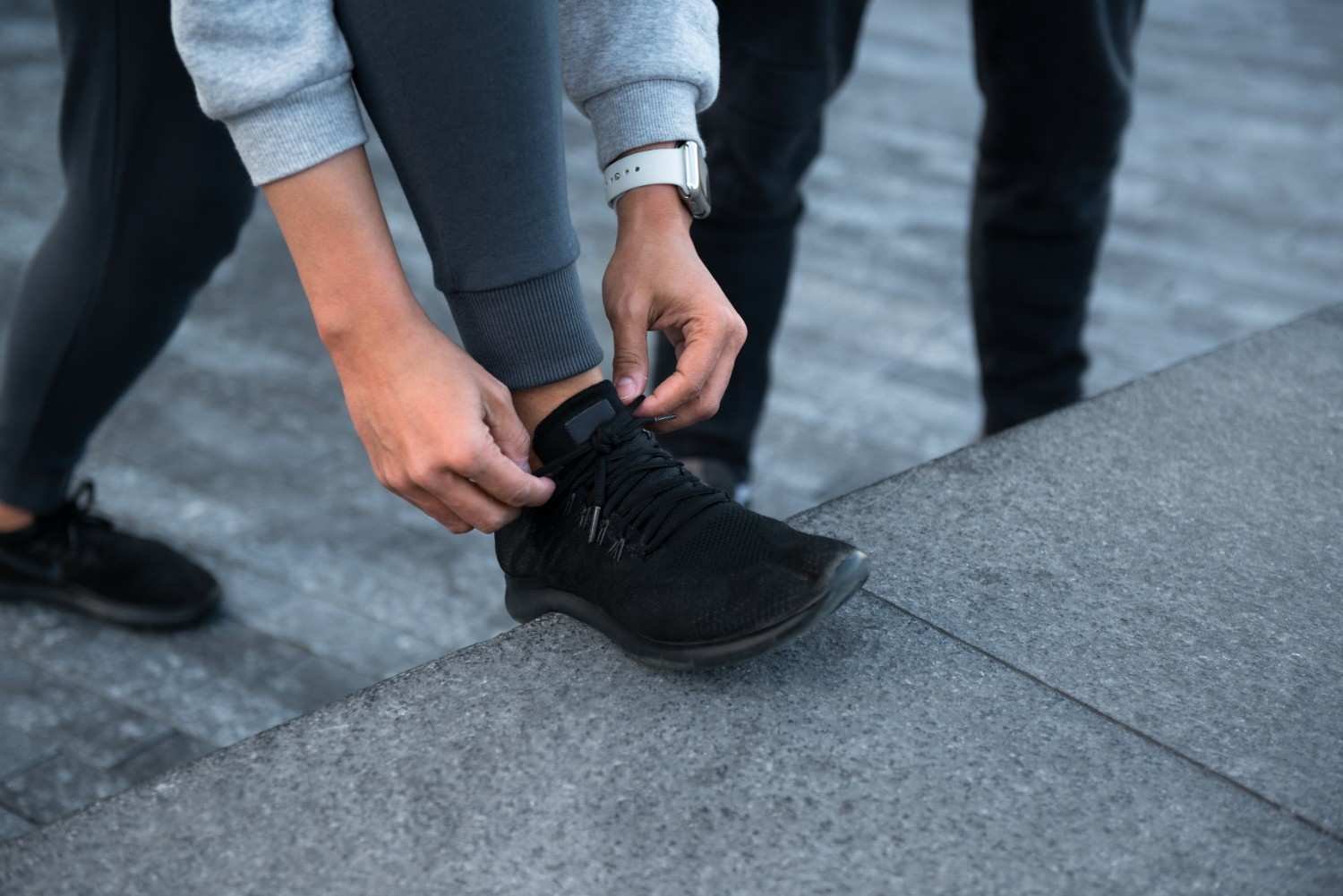
One of the biggest mistakes I made was choosing shoes based on style instead of structure. Another issue is wearing the same pair every day without giving the cushioning time to recover.
Sizing also matters more than most people realize. Your feet expand during the day, so trying shoes in the evening gives a more accurate fit.
FAQs About Best Shoes for Standing All Day Work
1. What are the best shoes for standing all day at work?
Shoes with high cushioning, firm arch support, and stable construction work best for long shifts.
2. Are running shoes better than work shoes for standing jobs?
In most cases, yes. Running shoes are designed to handle prolonged impact and reduce fatigue more effectively.
3. How long should shoes last for standing all day?
Most shoes should be replaced every 6 to 8 months with daily use, as cushioning gradually breaks down.
4. Do shoe features really make a difference?
Yes, structural elements like midsole cushioning and arch support directly affect comfort, fatigue, and long-term foot health.
What Actually Makes the Difference After a Full Shift
After going through trial and error, I’ve realized that the right shoes don’t just make standing easier—they change how your entire day feels. Once you understand how cushioning, support, and stability work together, choosing the right pair becomes simple, and you naturally discover practical ways to avoid blisters along the way.
And when you get it right, you don’t just reduce pain—you stay energized, focused, and consistent throughout your shift.