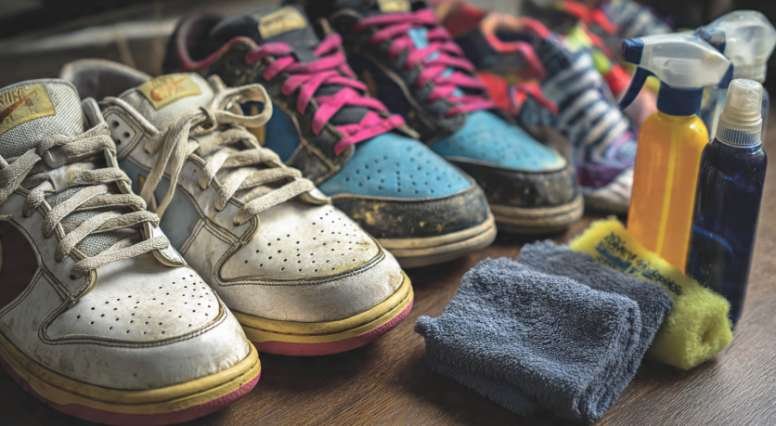

Building a sustainable shoe collection goes beyond simply buying eco-friendly products. It’s about embracing a mindset of quality over quantity. After all, the most sustainable shoe might just be the one you already own—one that will last for years rather than a single season.
Whether you’re aiming to reduce your carbon footprint, support ethical brands, or simply want a more mindful collection of shoes, this guide will show you how to build a sustainable shoe collection that aligns with your values.
Key Takeaways
- Audit your current collection to avoid unnecessary purchases.
- Prioritize longevity by investing in durable, repairable shoes.
- Choose shoes made from sustainable, recycled, or natural materials.
- Support ethical brands and extend the life of your shoes through proper care.
Audit Your Current Shoe Collection
Before making new purchases, it’s important to assess your current wardrobe. This helps avoid redundancy and ensures that any additions are truly necessary.
The “Four Piles” Method
Start by categorizing your shoes into four piles: wear, repair, donate, or toss. Evaluate each pair’s condition. If a shoe is worn out beyond repair, it’s time to say goodbye. Shoes that still have life in them but need some attention should go into the repair pile, and those that no longer suit your style or needs can be donated. This method prevents you from buying duplicates or unnecessary replacements.
Prevent Multiples
Avoid owning several nearly identical pairs, like five pairs of black pumps or multiple versions of the same sneaker. A curated collection is not only more sustainable but also more practical. By selecting versatile pieces that can serve multiple purposes, you’re reducing your overall consumption and ensuring that your shoe collection remains streamlined.
Prioritize Longevity and Durability
The true essence of sustainable footwear lies in its longevity. High-quality shoes that last for years significantly reduce the need for constant replacements, saving both money and resources in the long run.
Look for Repairable Construction
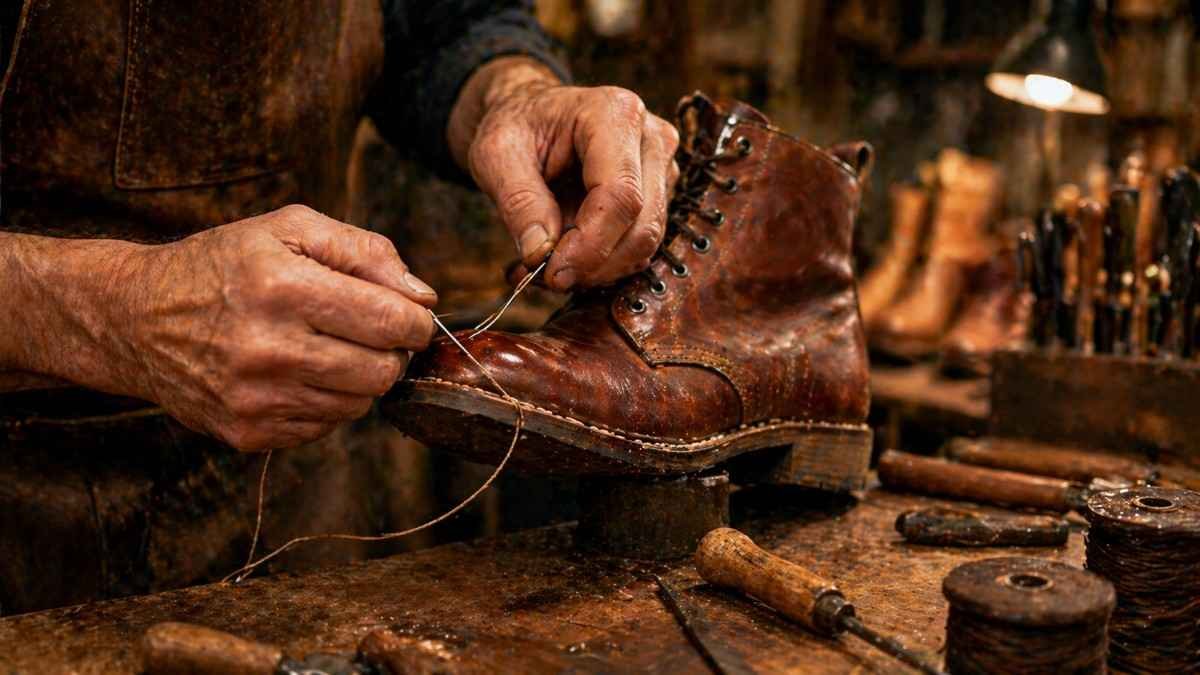
Opt for shoes with durable construction that can be repaired over time. Shoes with stitched or welted soles, such as Goodyear welts, can be easily repaired by a cobbler, allowing you to extend their lifespan. In contrast, shoes that rely solely on glue are harder to repair and often need to be replaced once damaged.
Choose Timeless Silhouettes
When building a sustainable shoe collection, stick to classic designs that won’t go out of style. Shoes like Chelsea boots, loafers, or simple white sneakers are versatile and timeless. These styles have staying power, meaning you won’t have to replace them due to trend shifts.
Invest in Quality Materials
While sustainable materials may cost more upfront, they often pay off in the long run due to their durability. Look for shoes made from sturdy materials like high-quality leather, rubber, and canvas. These materials can withstand daily wear and tear, making them a wise investment.
Select Sustainable Materials
When it’s time to add new shoes to your collection, choose materials that have a lower environmental impact or support a circular economy.
Recycled Content
Recycled materials, such as plastic bottles turned into rPET, are becoming increasingly popular in footwear. Brands like Rothy’s and Adidas x Parley use recycled plastic in their shoes, reducing the demand for new plastic and diverting waste from landfills. Outsoles made from recycled rubber are another eco-friendly option that reduces environmental harm.
Natural & Bio-Based Fibers
Shoes made from renewable resources like organic cotton, hemp, bamboo, and Tencel are not only biodegradable but also require fewer pesticides and chemicals to grow. These natural fibers are great choices for anyone looking to build a sustainable shoe collection with minimal environmental impact.
Leather Alternatives
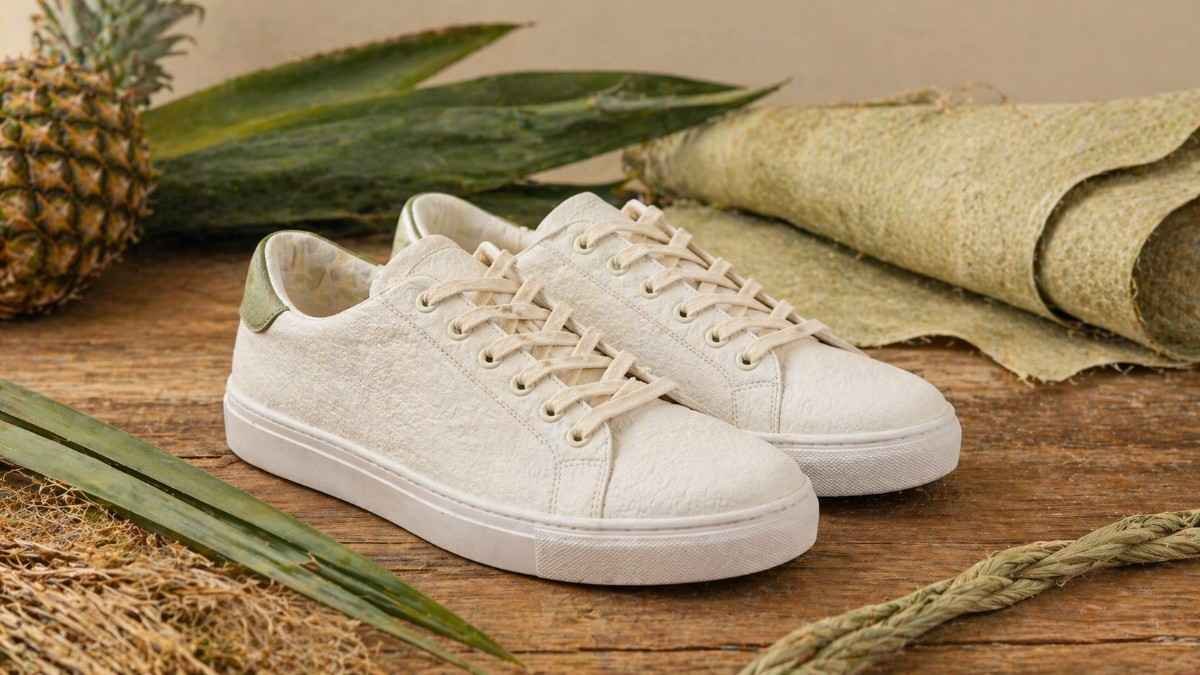
Traditional leather production is resource-intensive, but innovative materials like Piñatex (made from pineapple leaves), Mushroom leather (mycelium-based), and apple waste leather are much more sustainable. These alternatives offer a lower carbon footprint and are biodegradable, making them an excellent choice for eco-conscious consumers.
Support Ethical Brands
Building a sustainable shoe collection isn’t just about the materials; it’s also about where and how the shoes are made. Supporting ethical brands ensures that your purchase is aligned with sustainable and fair practices.
Ethical Manufacturing
Look for brands that are transparent about their supply chains and focus on fair labor practices. Ethical brands ensure that workers are paid fairly and work in safe, humane conditions. Supporting these companies helps promote social sustainability in the fashion industry.
Circular Programs
Many brands, such as Nike and Timberland, offer take-back or recycling programs for worn-out shoes. These initiatives allow customers to send back old shoes to be repurposed into new products or materials. This not only reduces waste but also helps keep resources in circulation for longer.
Minimal Packaging
Ethical brands also tend to minimize waste by using recyclable or biodegradable packaging. Look for brands that use custom-sized, recyclable cardboard boxes and avoid excessive packaging, which adds unnecessary waste to the environment.
Extend the Life of Your Shoes
Sustainability doesn’t stop at the point of purchase. Proper care and maintenance can help extend the life of your shoes, reducing the need for replacements and ultimately minimizing your environmental impact.
Regular Cleaning
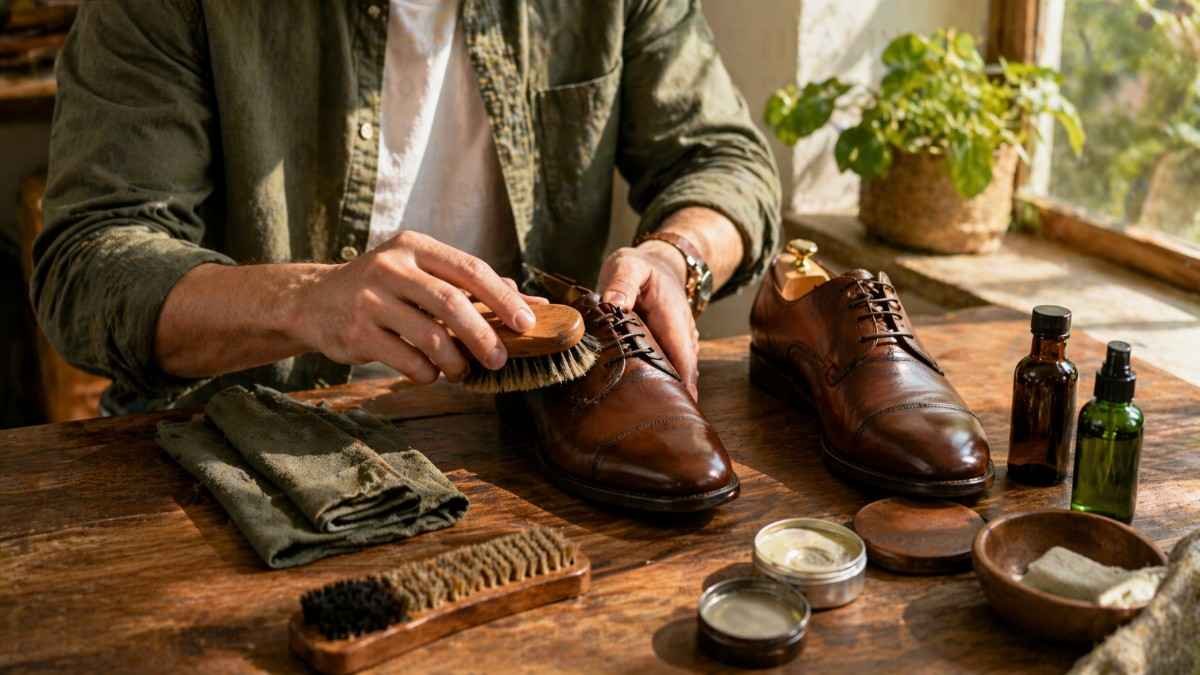
Keeping your shoes clean is essential for maintaining their quality. Dirt and grime can cause materials to break down over time, leading to faster wear. Use eco-friendly cleaning products and ensure your shoes are thoroughly dried after getting wet to prevent material degradation.
Conditioning Leather
If your shoes are made of leather, periodic conditioning will keep them supple and prevent cracking. Opt for natural leather conditioners that don’t contain harmful chemicals, ensuring that your shoes remain in good condition for longer.
Use Professional Repairs
Instead of throwing away shoes that are scuffed or worn out, take them to a cobbler for professional repairs. Many cobblers can replace worn-out soles, fix minor tears, or resole shoes, which means you can keep wearing them for many more years.
Frequently Asked Questions
1. What is the 3-shoe rule?
The 3-shoe rule suggests that you only need three types of shoes for a minimalist, versatile wardrobe: one for casual wear, one for formal occasions, and one for outdoor activities.
2. What are the 5 C’s of sustainability?
The 5 C’s of sustainability include: Conscious, Circular, Carbon, Community, and Collaboration. These principles guide individuals and brands to make mindful decisions that benefit both the planet and society.
3. How to make shoes more sustainable?
To make shoes more sustainable, opt for repairs instead of replacements, use eco-friendly cleaning products, and recycle old shoes through programs provided by brands or donation centers.
4. What are the 5 R’s of sustainable fashion?
The 5 R’s of sustainable fashion are: Refuse, Reduce, Reuse, Repair, and Recycle. These principles encourage consumers to minimize waste and make more eco-conscious purchasing and disposal decisions.
Sustainable Shoes for a Greener Future
Building a sustainable shoe collection is more than just a trend—it’s a lifestyle. By choosing durable shoes, supporting ethical brands, and practicing proper maintenance, you can reduce your environmental impact while still looking great. Start with the shoes you already own, make thoughtful additions when necessary, and invest in quality footwear that lasts for years to come.