Walking into a shoe store today, the label “vegan leather” shows up almost everywhere, from sneakers to boots. It sounds simple, but what are vegan leather shoes made of is a question that quickly gets more interesting once you start looking closely at the materials behind the trend. The reality is a mix of synthetic innovation, plant-based experimentation, and clever design engineering that replaces traditional animal leather in footwear.
Core Materials of Vegan Leather Explained
Here’s a clear breakdown of what actually goes into modern vegan footwear and how different materials shape the final product.
Polyurethane (PU) Leather: The Most Common Base
Most vegan shoes you see in stores are made using polyurethane, often called PU leather. It is created by coating a fabric base like polyester or cotton with a flexible plastic layer that mimics leather texture. This material is popular because it is lightweight, easy to mold, and can closely replicate the smooth finish of animal hide.
PU leather is also widely used because it offers better flexibility and comfort compared to older synthetic alternatives. Many fashion brands prefer it for sneakers and casual shoes since it balances appearance and wearability effectively.
Polyvinyl Chloride (PVC): The Older Synthetic Option
PVC, also known as vinyl, is another material sometimes used in vegan leather shoes material production. It is stiffer and less breathable than PU, which makes it less comfortable for long-term wear. However, it is still used in some budget footwear because it is inexpensive and durable.
Over time, PVC has become less popular in fashion footwear due to its rigidity and production concerns. Most modern brands are shifting toward PU or hybrid alternatives that feel more natural on the foot.
Microfiber Leather: The Premium Synthetic Upgrade
Microfiber leather is a high-quality synthetic material made from ultra-fine polyester and nylon fibers. It is designed to mimic the softness of suede or high-end leather while maintaining strong durability. Many performance sneakers and premium vegan footwear brands use this material for a more refined feel.
This option is often chosen when brands want to elevate comfort and luxury perception without using animal-derived materials.
Is Vegan Leather Plastic: Understanding the Truth Behind the Label
The question is vegan leather plastic comes up often, and the answer depends on the type of material used.
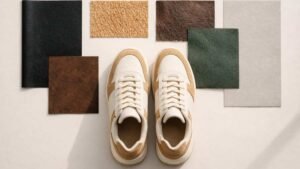
Most Vegan Leather Is Plastic-Based
The majority of vegan leather shoes are made from petroleum-based plastics such as PU or PVC. These materials are engineered to replicate leather-like texture, flexibility, and water resistance. This is why vegan leather often behaves similarly to traditional leather in daily use.
Even though the term “vegan” suggests natural origins, most mainstream versions rely on synthetic polymers. This is an important distinction for shoppers trying to understand product labeling.
Plant-Based Versions Are Changing the Narrative
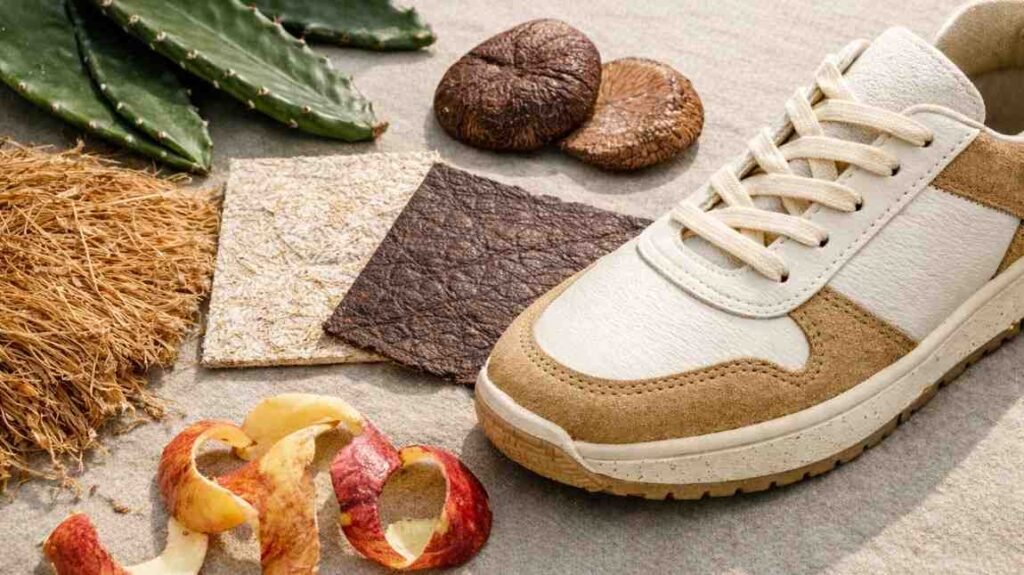
Newer innovations include plant-derived materials that reduce reliance on traditional plastics. These include cactus leather, mushroom leather, and apple-based leather. While they still may use small binding agents, they represent a shift toward more natural sourcing.
These materials are increasingly used in fast fashion and their environmental impact is looking to align with sustainability trends.
Why Plastic Is Still Dominant?
Plastic-based vegan leather remains popular because it is scalable, cost-effective, and consistent in production. It allows brands to produce large quantities of shoes with predictable quality and appearance. Plant-based alternatives, while promising, are still developing in terms of mass manufacturing.
Vegan Leather Shoes Material Breakdown In Real Use
Understanding vegan leather shoes material helps clarify how different components affect comfort, durability, and design.
Layered Construction System
Vegan leather shoes are typically built in layers. A base fabric provides structure, while a synthetic or plant-based coating creates the leather-like surface. Additional finishing layers improve texture, shine, or resistance to wear. This layered system allows manufacturers to customize feel and performance depending on the shoe type.
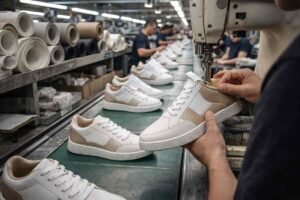
Material Choice Depends On Shoe Category
Sneakers often use softer PU or microfiber for flexibility and movement. Boots and formal shoes may use thicker synthetic layers to maintain shape and structure. High-end designs sometimes incorporate plant-based blends for aesthetic appeal. Each category prioritizes a different balance between comfort, durability, and style.
Brand Strategy Influences Materials
Luxury-inspired brands tend to highlight plant-based innovations to align with sustainability messaging. Fast-fashion brands usually rely on PU due to cost efficiency and production speed. This difference explains why vegan leather shoes can vary significantly in quality across the market.
What Is Vegan Leather Made Of In New Sustainable Designs
When people search what is vegan leather made of, they often discover a growing list of plant-based alternatives reshaping the industry.
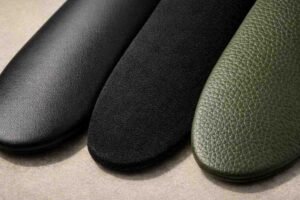
Piñatex: Pineapple Leaf Fiber Innovation
Piñatex is made from fibers extracted from pineapple leaves, a byproduct of fruit farming. It is processed into a textile-like material that can be used in shoes and accessories. It is often blended with binding agents to improve durability. This material is popular in eco-conscious fashion collections.
Apple Leather: Waste-To-Style Material
Apple leather is created using leftover apple peels and cores from the food industry. These materials are processed into sheets that resemble leather in texture and appearance. It is an example of circular design thinking in fashion. Brands use it for shoes and accessories that emphasize natural sourcing.
Cactus And Mushroom Leather
Cactus leather is made from nopal cactus leaves, requiring minimal water to grow. Mushroom leather, also known as mycelium leather, is grown from fungal root structures and can naturally break down over time. Both materials are part of the new wave of bio-based fashion innovation. These alternatives are gaining attention for their unique textures and renewable origins.
Is Vegan Leather Sustainable? The Real Perspective
The question is vegan leather sustainable does not have a simple yes or no answer, because it depends on the material type and usage.

Sustainability Depends On Material Source
PU and PVC are synthetic and derived from petroleum, which limits their environmental appeal. However, they do avoid animal farming, which some consumers consider important. Plant-based versions offer a more renewable approach but are still evolving. The sustainability conversation is complex and depends on priorities.
Durability Plays A Hidden Role
A longer-lasting shoe reduces the need for frequent replacement. High-quality vegan leather shoes can last several years with proper care, which indirectly improves their sustainability profile. Durability is often overlooked in environmental discussions.
Innovation Is Driving Change
The industry is actively shifting toward bio-based materials and improved manufacturing techniques. While still in early stages, these innovations are shaping the future of vegan footwear design.
How To Understand What Vegan Leather Shoes Are Made Of?
Understanding what vegan leather shoes are made of starts with recognizing material labels and construction details.
Reading product descriptions helps identify whether shoes use PU, PVC, microfiber, or plant-based materials. Checking brand transparency is also important, as some companies clearly list their material sources while others use broader terms like “synthetic leather.”
Looking at texture, flexibility, and breathability can also give clues about the material type. Over time, consumers become better at identifying quality differences between various vegan leather options.
Frequently Asked Questions
1. What Is The Downside Of Vegan Leather?
Some vegan leather types may not breathe as well as natural leather and can show wear over time depending on quality and usage.
2. Is Vegan Leather Considered Fake Leather?
Yes, vegan leather is often called faux leather because it imitates animal leather without using animal hides.
3. Is Vegan Leather Good Quality For Shoes?
High-quality vegan leather shoes can be durable, comfortable, and stylish, especially when made from premium PU or microfiber.
4. What Is The Lifespan Of Vegan Leather?
Most vegan leather shoes last around two to five years depending on material quality, care, and frequency of use.
The Real Story Behind Vegan Shoes
So, what are vegan leather and sustainable shoes made of comes down to a mix of synthetic plastics like PU, PVC, and microfiber along with emerging plant-based materials like cactus, apple, and mushroom leather. Each offers different benefits in style, comfort, and innovation. Understanding these materials helps make smarter, more informed choices in modern footwear.