
A good pair of shoes should make you feel stable without you even thinking about it. But if you’ve ever felt your ankle shift slightly while walking, turning, or working out, you know that’s not always the case. I started noticing those small moments more often than I should have, and it made me question what I was actually wearing.
That’s when I began exploring the best women’s shoes for ankle support, and I realized that true stability comes from specific design features—not just comfort or style.
What Makes the Best Women Shoes for Ankle Support?
Here’s where most guides stay surface-level. I want to go deeper and explain the exact features that made a real difference for me.
Why Do Mid-to-High Top Collars Improve Ankle Stability?
Shoes that extend around or above the ankle create a physical barrier against excessive movement. I noticed that when I wore shoes with slightly higher collars, my ankle felt more secure during side movements, especially when choosing the right shoes for women over 50 where stability becomes even more important.
However, I also learned that height alone isn’t enough. Without internal structure, even high-top shoes can feel unstable.
How Does a Firm Heel Counter Prevent Ankle Rolling?
This is one of the first things I check now.
The heel counter—the rigid cup at the back—keeps your heel locked in place. When it’s firm, your foot doesn’t slide side-to-side inside the shoe.
That alone reduces wobbling and keeps your ankle aligned with every step.
Why Is a Wide Outsole Base Critical for Balance?
A wider base gives your foot more ground contact. Think of it like standing on a wide platform versus a narrow one—it’s naturally more stable.
I’ve personally noticed that shoes with flared soles feel much harder to tip over, especially during quick movements or uneven surfaces.
What Is Torsional Stability and Why Does It Matter?
This was something I completely overlooked before.
Torsional stability refers to how resistant a shoe is to twisting. If you can easily twist a shoe in your hands, it won’t support your foot properly.
Once I started choosing shoes that resisted twisting, my steps felt more controlled and stable.
How Do Guide Rails or Medial Posts Help Control Movement?
Many stability shoes include built-in support systems like guide rails or denser foam along the edges.
These act like subtle barriers. If your foot starts rolling inward or outward, the shoe gently corrects it.
I found this especially useful during longer walks when fatigue usually affects balance.
Why Is Contoured Arch Support Non-Negotiable?
Arch support changed everything for me.
Without it, your foot collapses inward, which pulls your ankle out of alignment. With proper support, your foot stays neutral, and your ankle remains stable.
This single feature reduced the strain I used to feel after long days.
How to Choose the Best Women Shoes for Ankle Support (Step-by-Step)
I now follow a simple process every time I buy shoes.
First, I test flexibility. The shoe should only bend at the toes. If it bends in the middle, I skip it.
Then I check the heel. If it collapses when I press it, it’s not supportive enough.
Next, I twist the shoe slightly. If it twists easily, it lacks torsional stability.
Finally, I look at the base. A wider sole gives me confidence that the shoe will keep me balanced.
This process has helped me avoid bad purchases completely.
Are High-Top Shoes Always Better for Ankle Support?
Not always—and this is a common misconception.
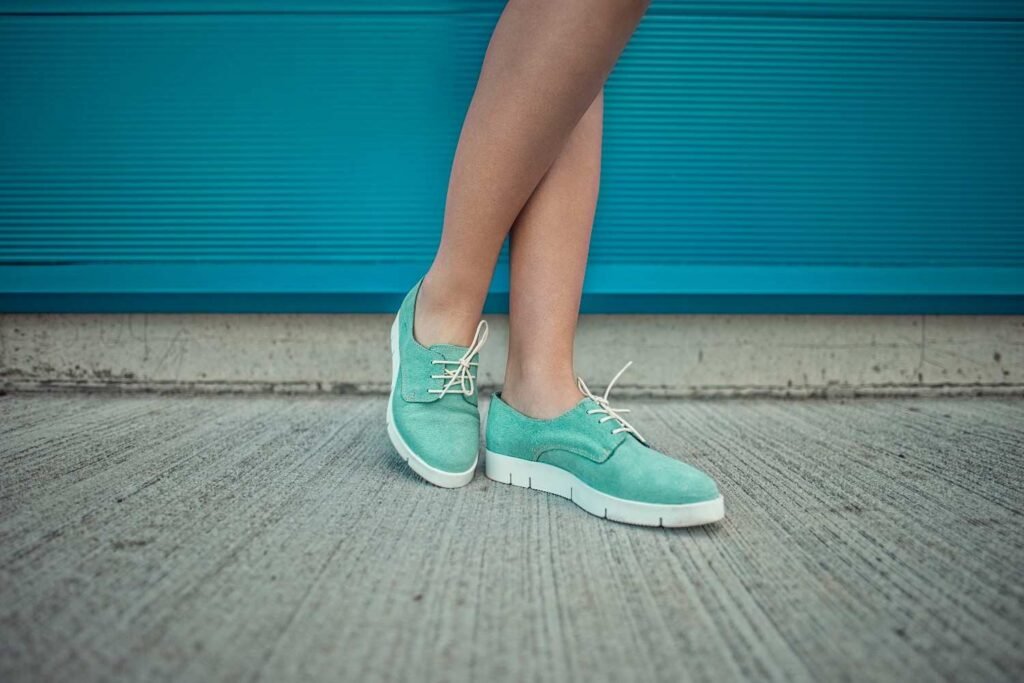
High-top shoes can help by limiting movement, but without proper structure inside, they don’t provide real stability.
I’ve worn low-cut shoes with excellent support because they had strong heel counters and stable midsoles.
So instead of focusing only on height, I focus on overall design.
Best Women Shoes for Ankle Support Based on Activity
Different activities stress your ankles differently, and I learned this the hard way.
What Are the Best Walking Shoes for Ankle Support?
For walking, I look for consistent cushioning combined with strong arch support and a stable base.
Walking puts repetitive stress on your ankles, so stability over time matters more than softness.
Which Running Shoes Offer the Most Stability?
Running requires more control because of impact and speed.
I prefer shoes with built-in stability features like medial support and structured midsoles. These help keep my stride aligned and reduce ankle strain.
What Should You Wear for Gym Workouts?
For workouts, especially strength training, I avoid overly soft shoes.
A firmer sole with a wide base gives better balance during movements like squats and lunges.
Can the Wrong Shoes Make Ankle Pain Worse?
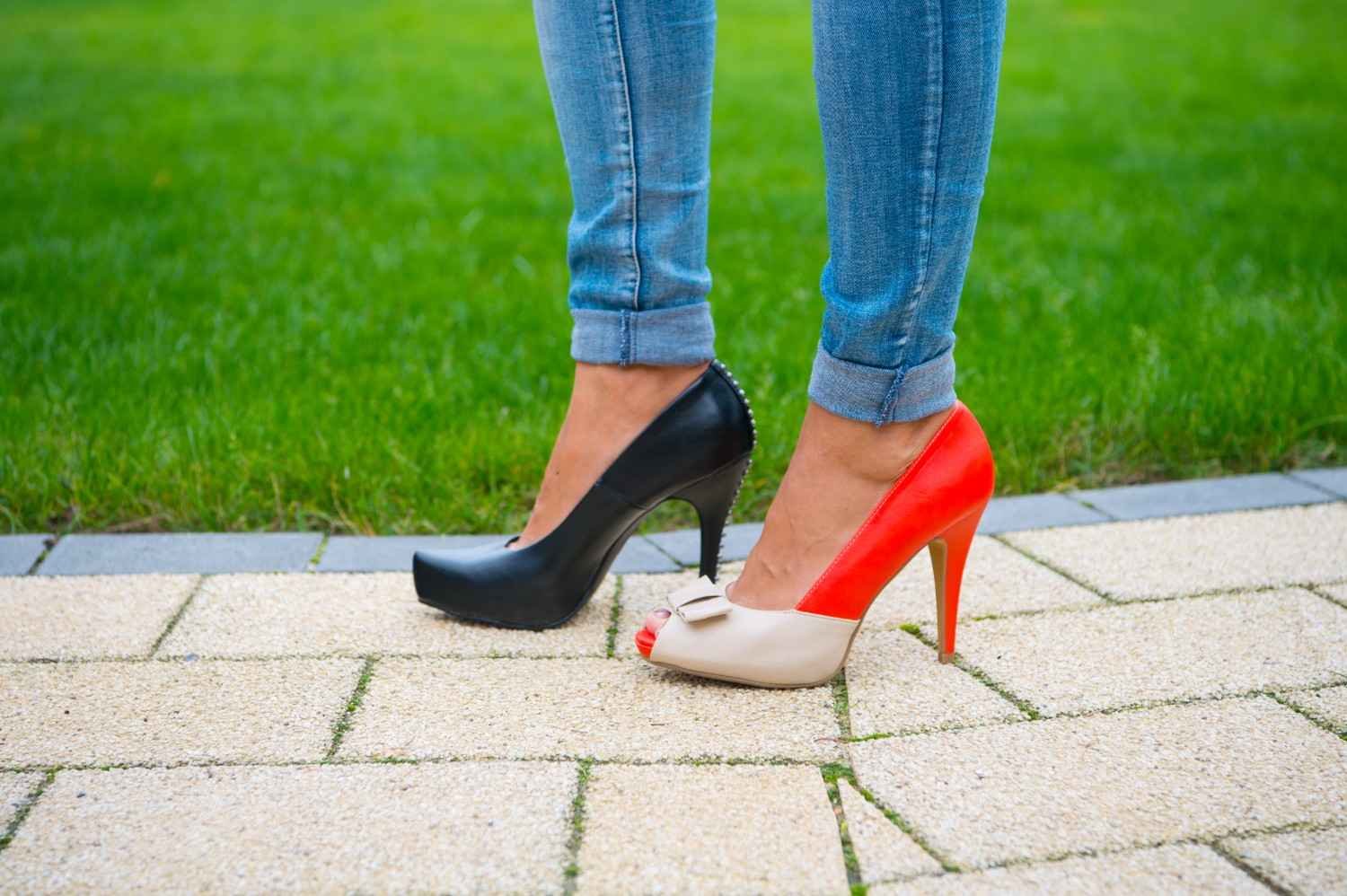
Yes—and I experienced this directly.
Shoes without proper support allow your foot to move too much. Over time, this puts stress on your ankle and can lead to discomfort or even injury.
Once I switched to structured footwear, the difference was noticeable within days.
Frequently Asked Questions About Women Shoes for Ankle Support
1. What are the best women’s shoes for ankle support for everyday use?
Shoes with firm heel counters, arch support, and a wide base work best. These features keep your ankle stable during daily movement.
2. Do ankle support shoes help with weak ankles?
Yes, they reduce excessive movement and improve alignment, which helps strengthen stability over time.
3. Are stability shoes better than regular sneakers?
Yes, because they include features like medial support and torsional rigidity that regular sneakers often lack.
4. Can I wear the best women’s shoes for ankle support all day?
Yes, as long as they fit well and provide balanced support, they are designed for extended wear.
What Actually Made the Biggest Difference for Me
Looking back, I didn’t need more shoes—I needed better ones.
Once I understood how structure affects movement, everything changed. My steps felt stable, my confidence improved, and ankle pain stopped being part of my routine.
If you’re serious about stability, choosing the best women’s shoes for ankle support is not just about comfort—it’s about protecting how you move every day.